Composite Bonding with Dr. Vik
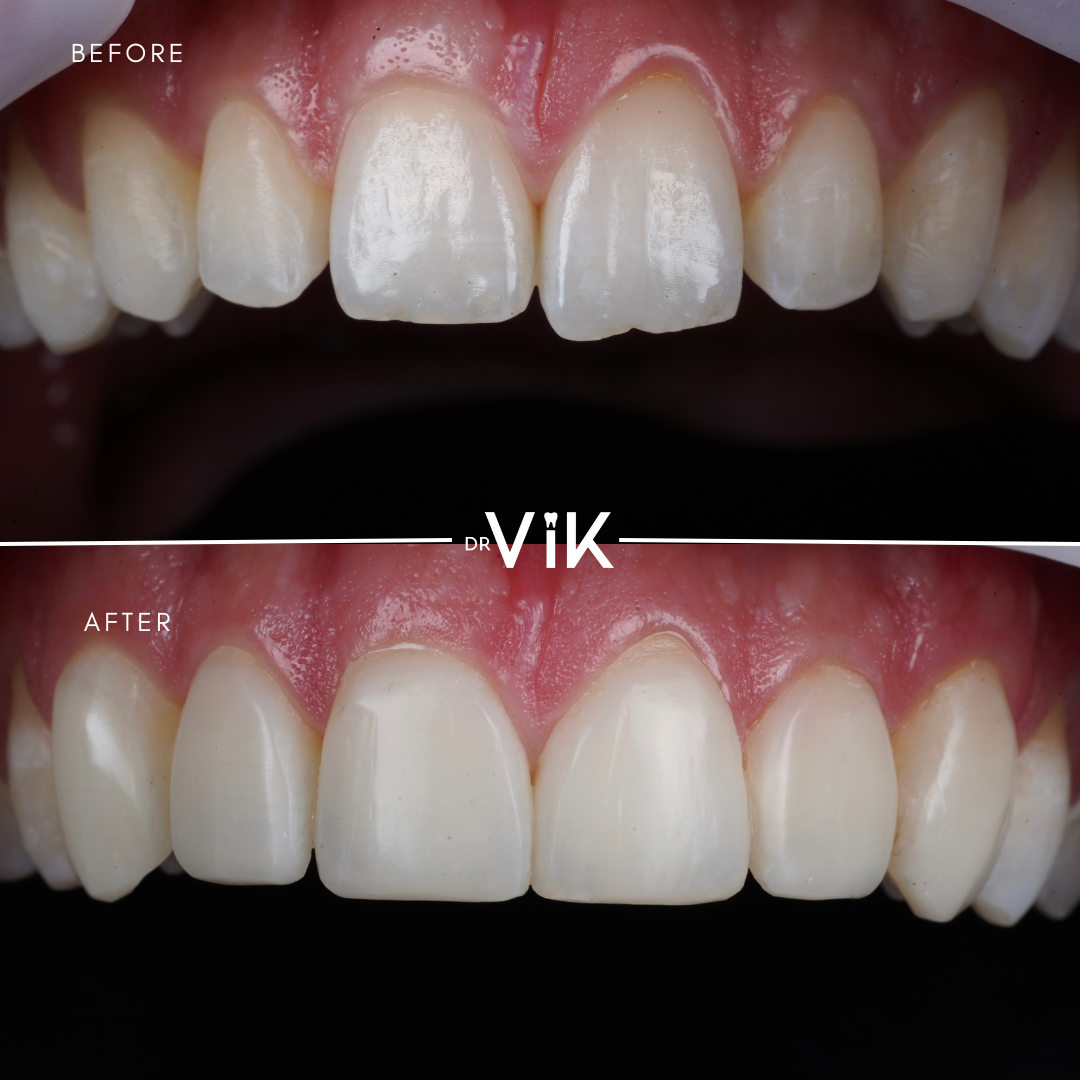
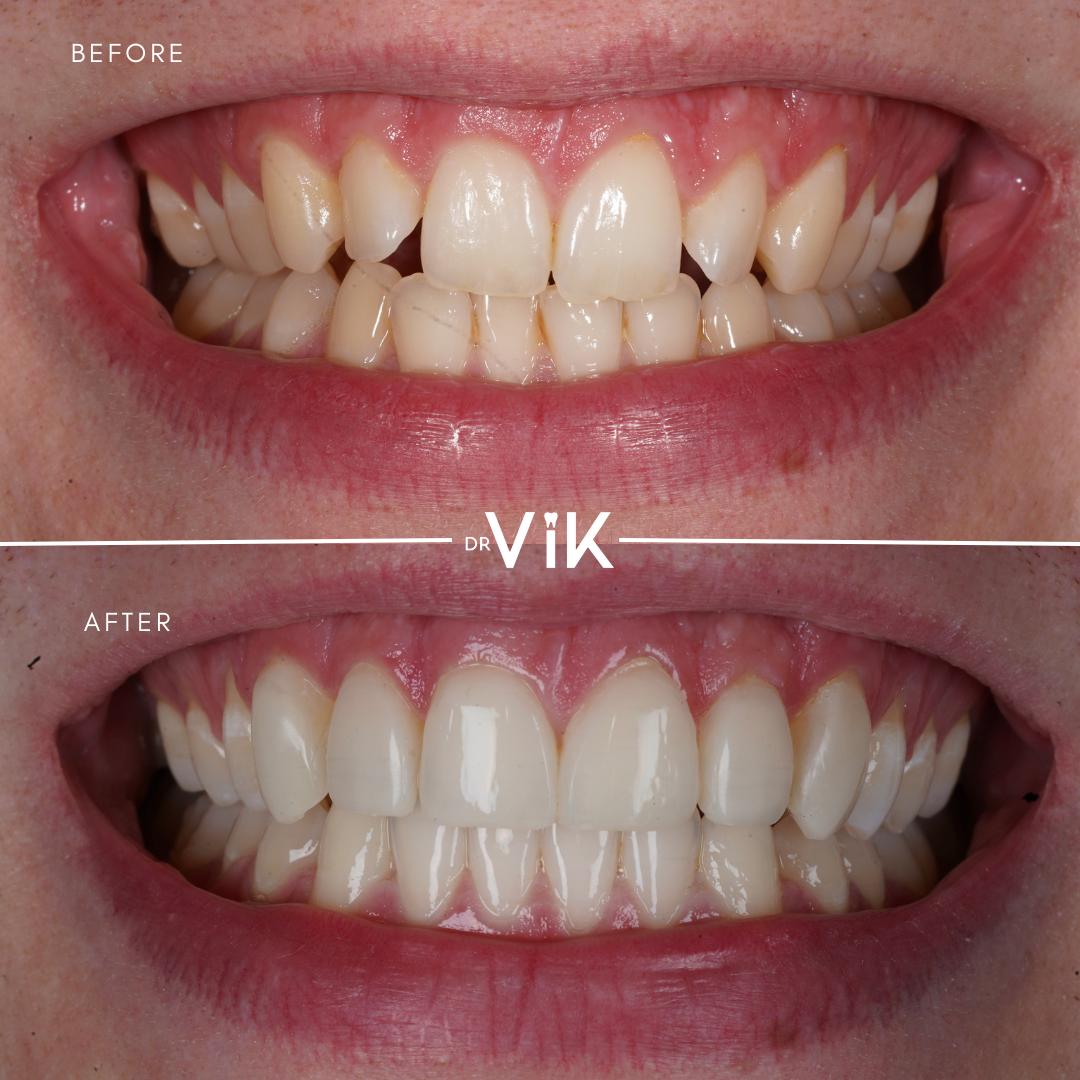
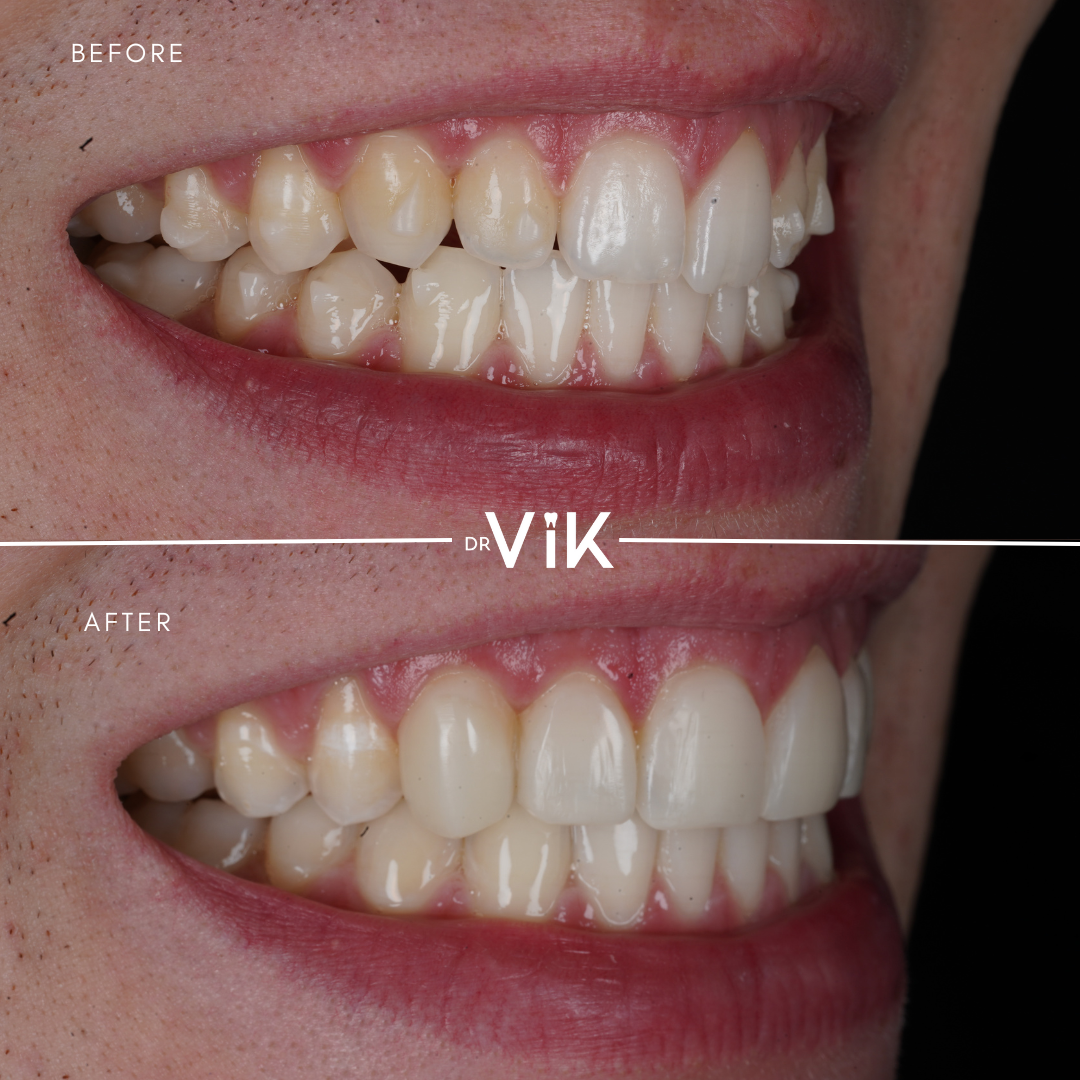
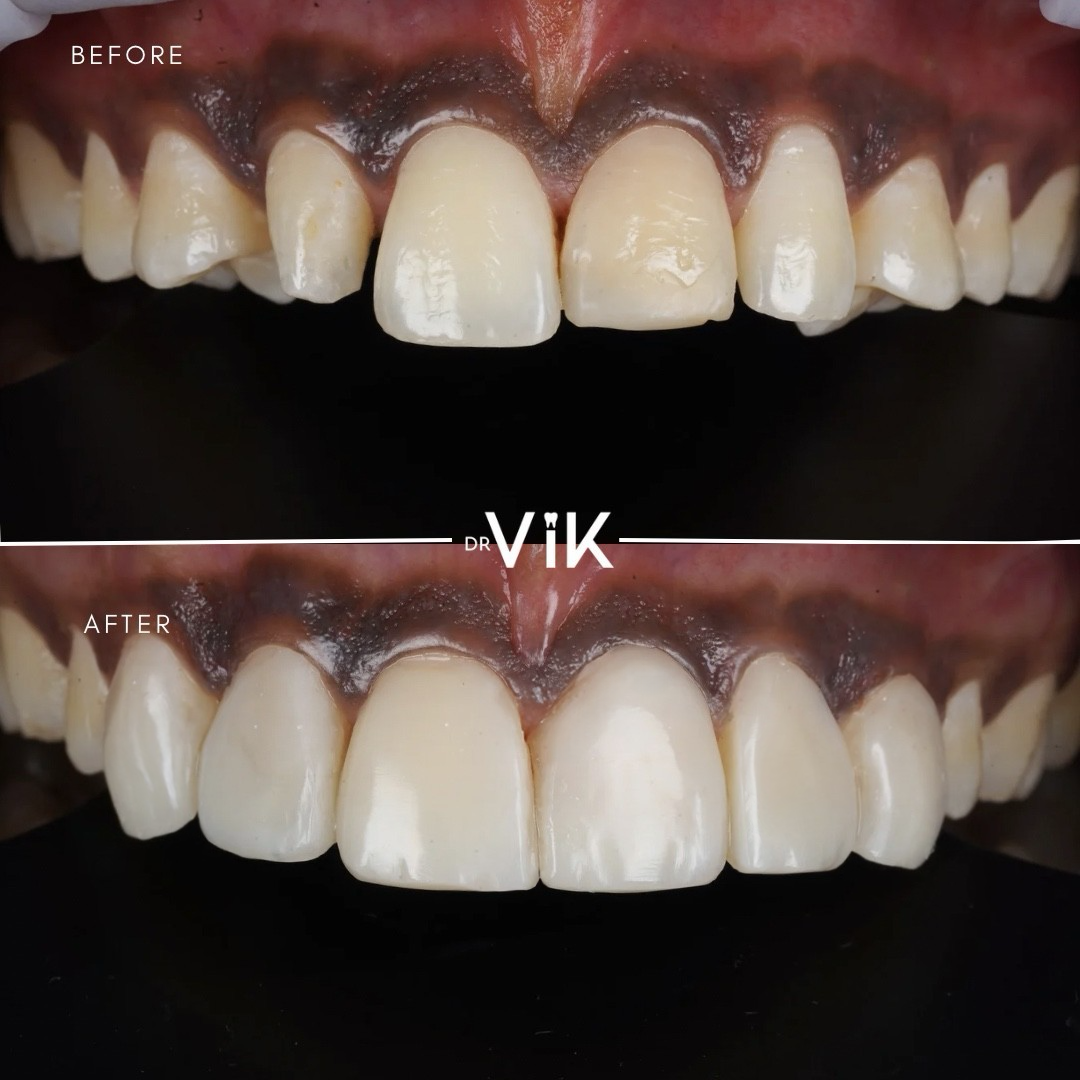
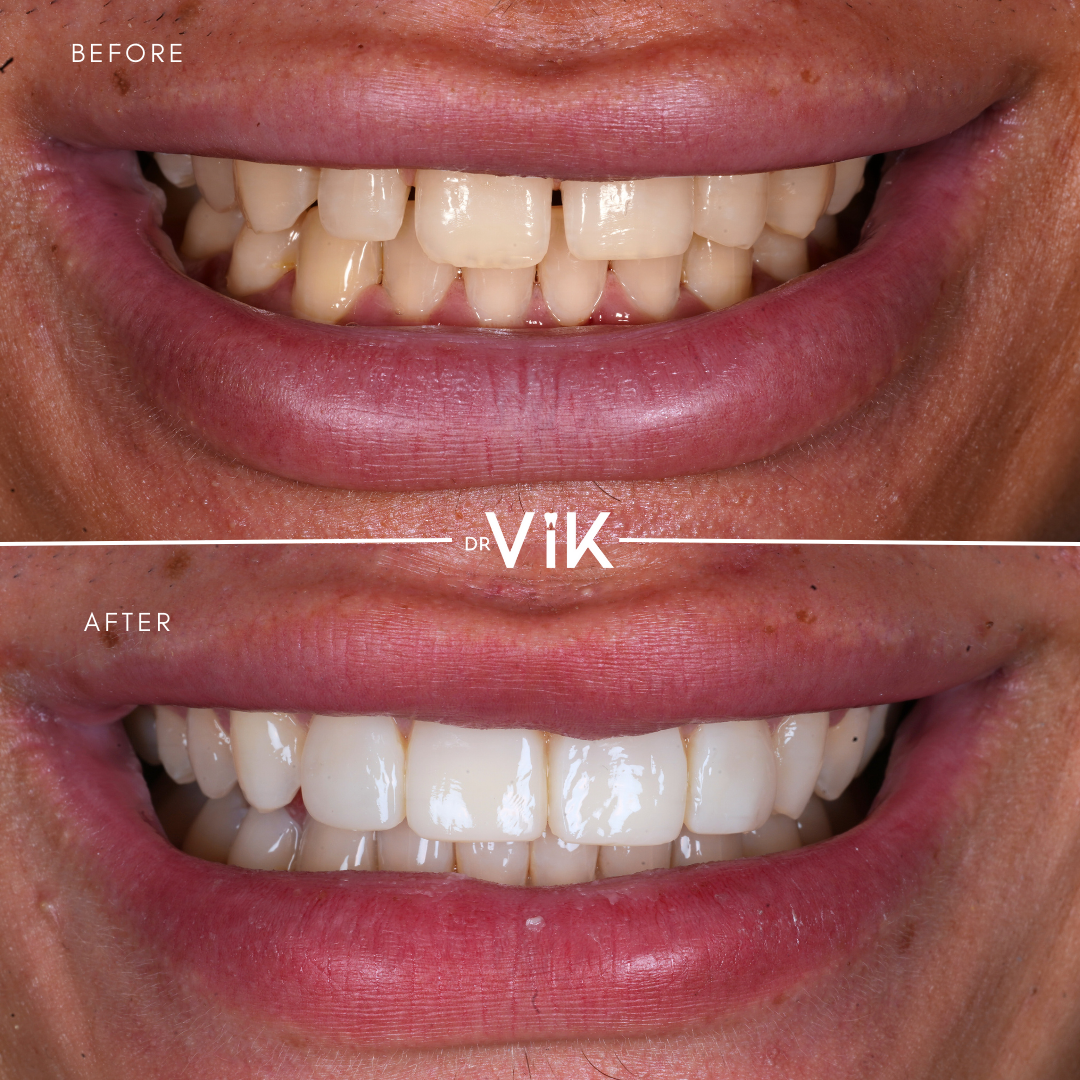
Composite bonding is a minimally invasive way to improve shape, edges, proportion and small spaces using tooth-coloured resin. It is often chosen when the goal is to refine and enhance a smile while preserving as much natural tooth structure as possible.
Composite bonding is often considered when whitening or straightening alone will not create the finish a patient wants. It can be useful for chipped edges, small gaps, irregular shapes and subtle smile design where a conservative approach matters.
What Is Bonding?
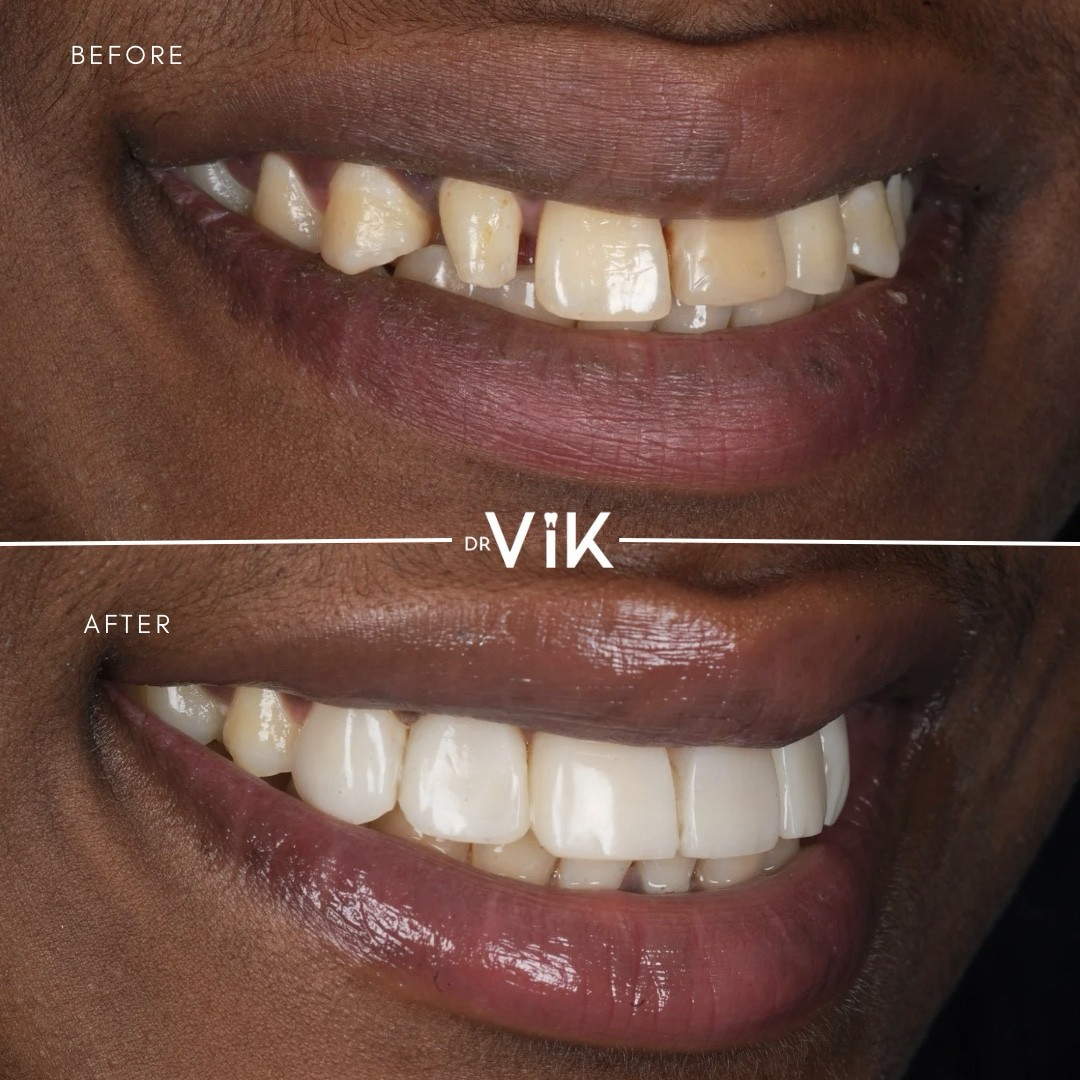
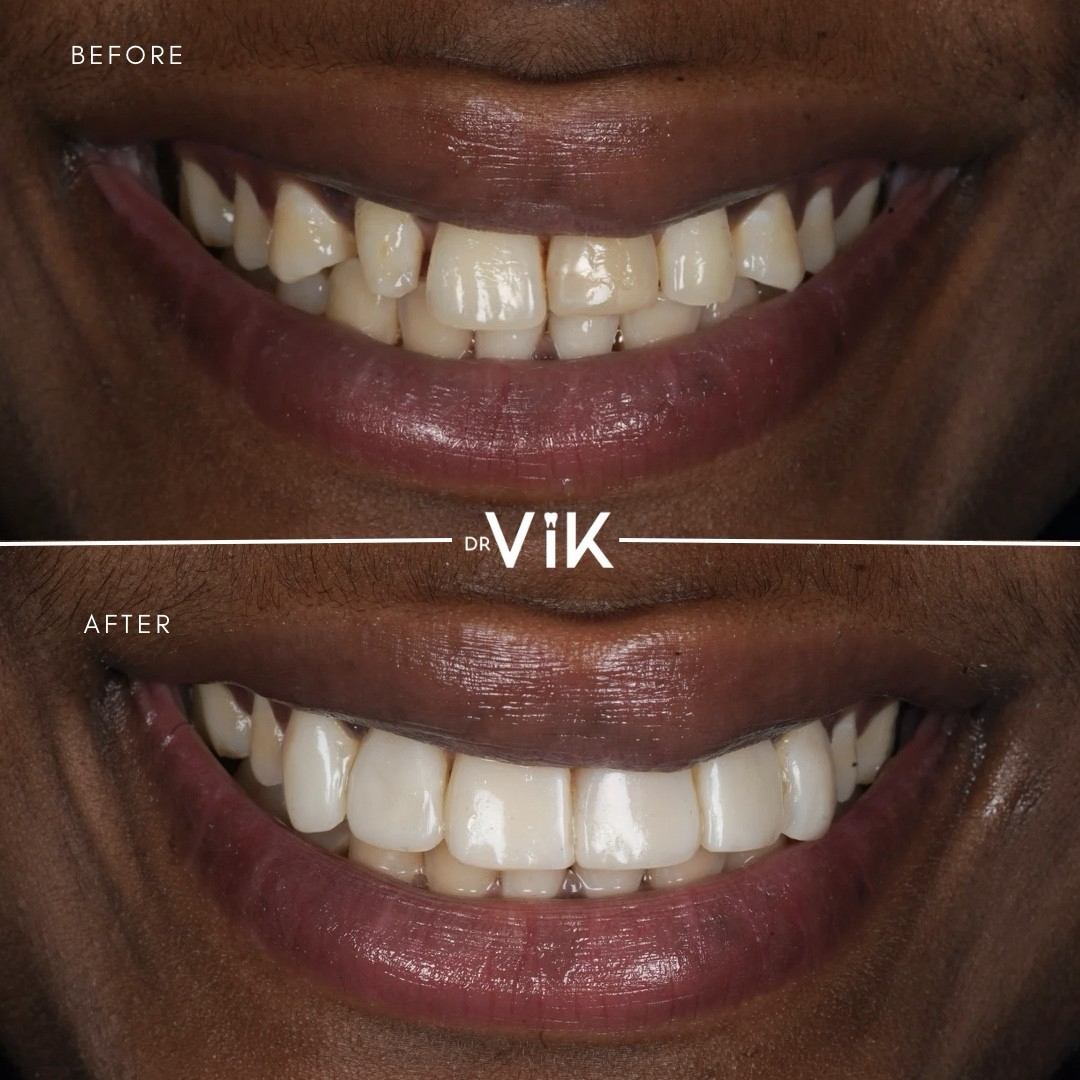
Composite bonding uses tooth-coloured resin to reshape and refine visible teeth. It is commonly used to improve chips, uneven edges, spacing and proportions, and it can often be completed in a more conservative way than porcelain.
Bonding is most often used when the aim is subtle cosmetic refinement, especially where shape and edge detail need improvement.
Healthy teeth and gums are important, and planning matters just as much as the bonding itself. In some cases, Invisalign or whitening may be a better first step before final cosmetic finishing.
Benefits
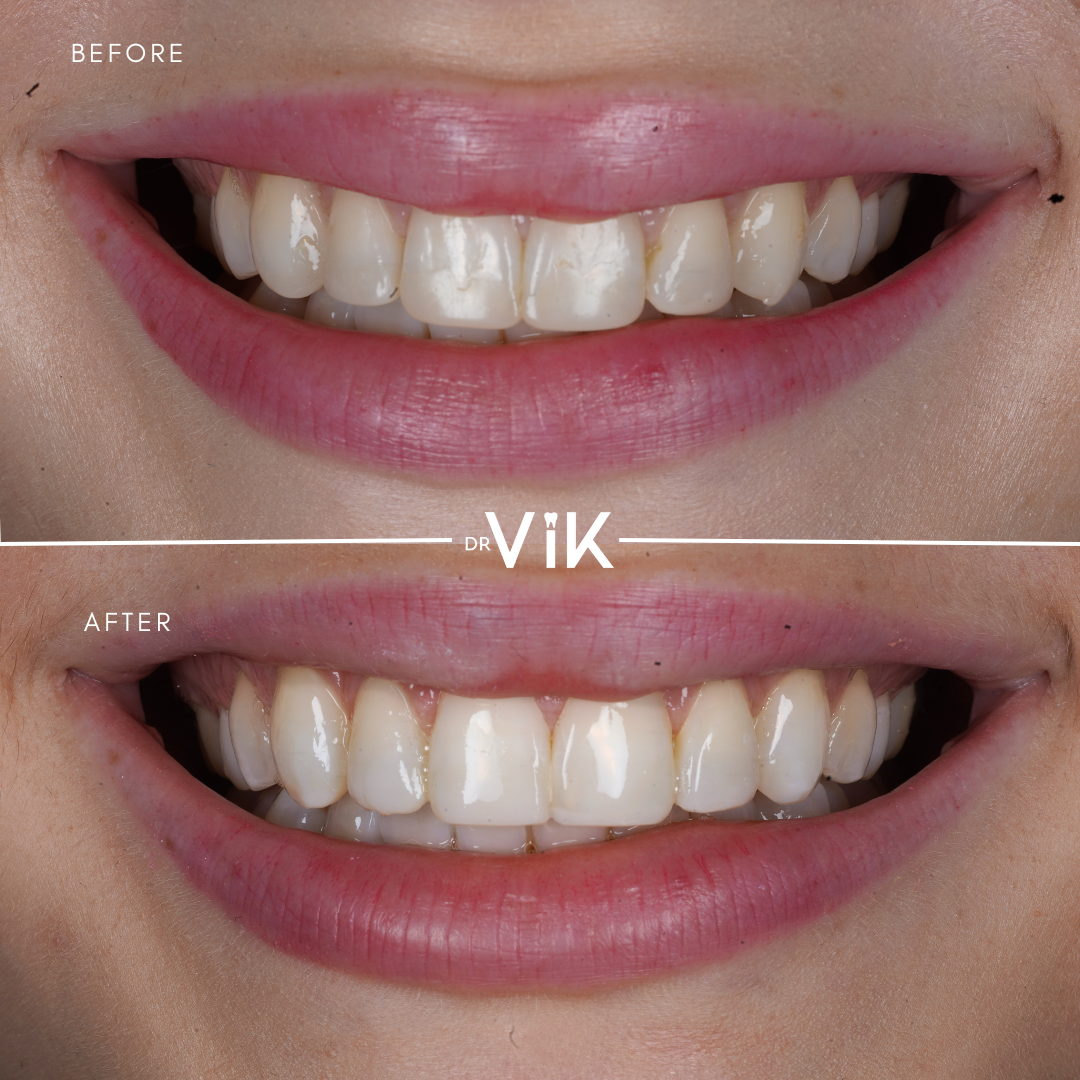
The strongest appeal of bonding is that it can improve multiple visible details while staying conservative. When properly planned, it offers flexibility, control and a natural finish without over-treating the teeth.
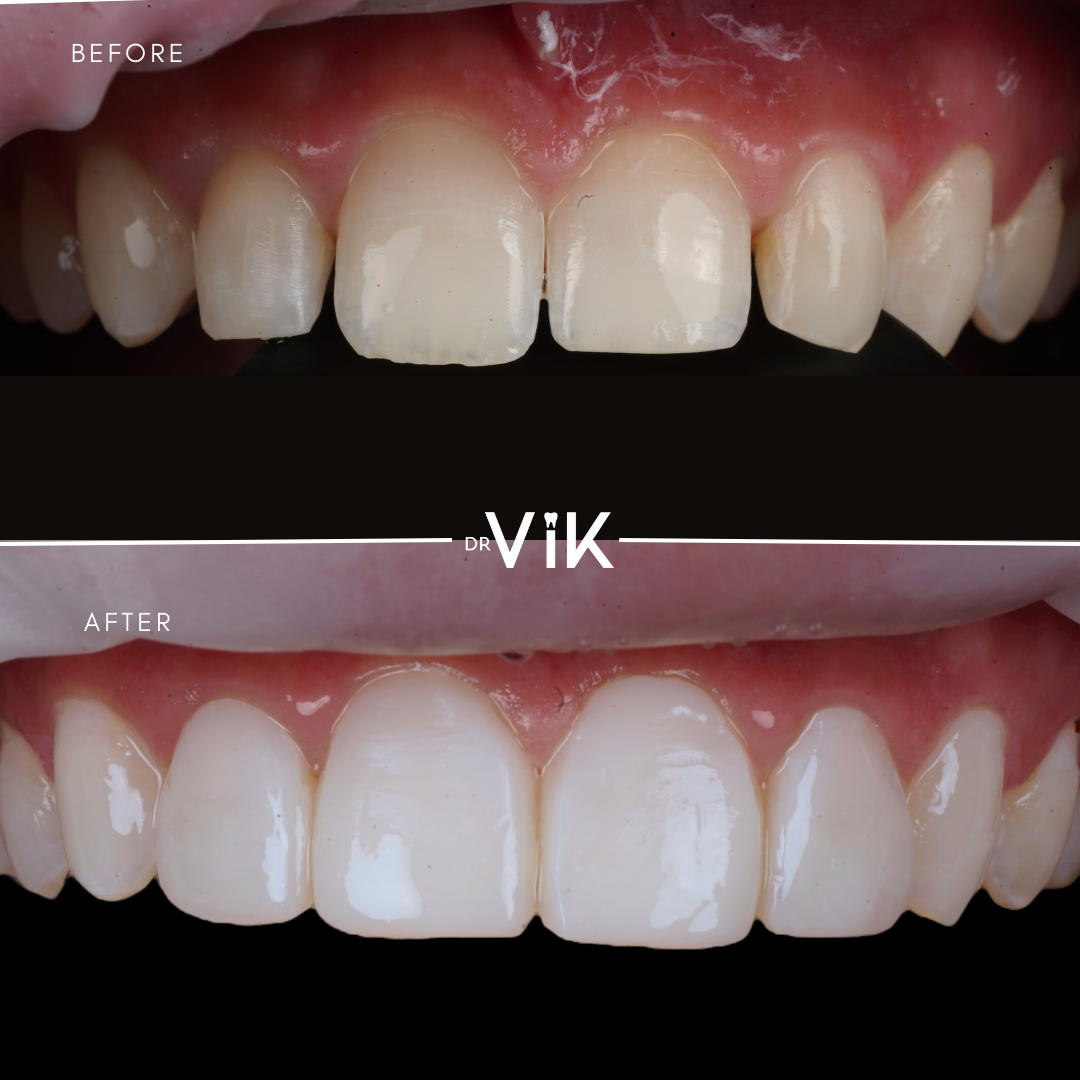
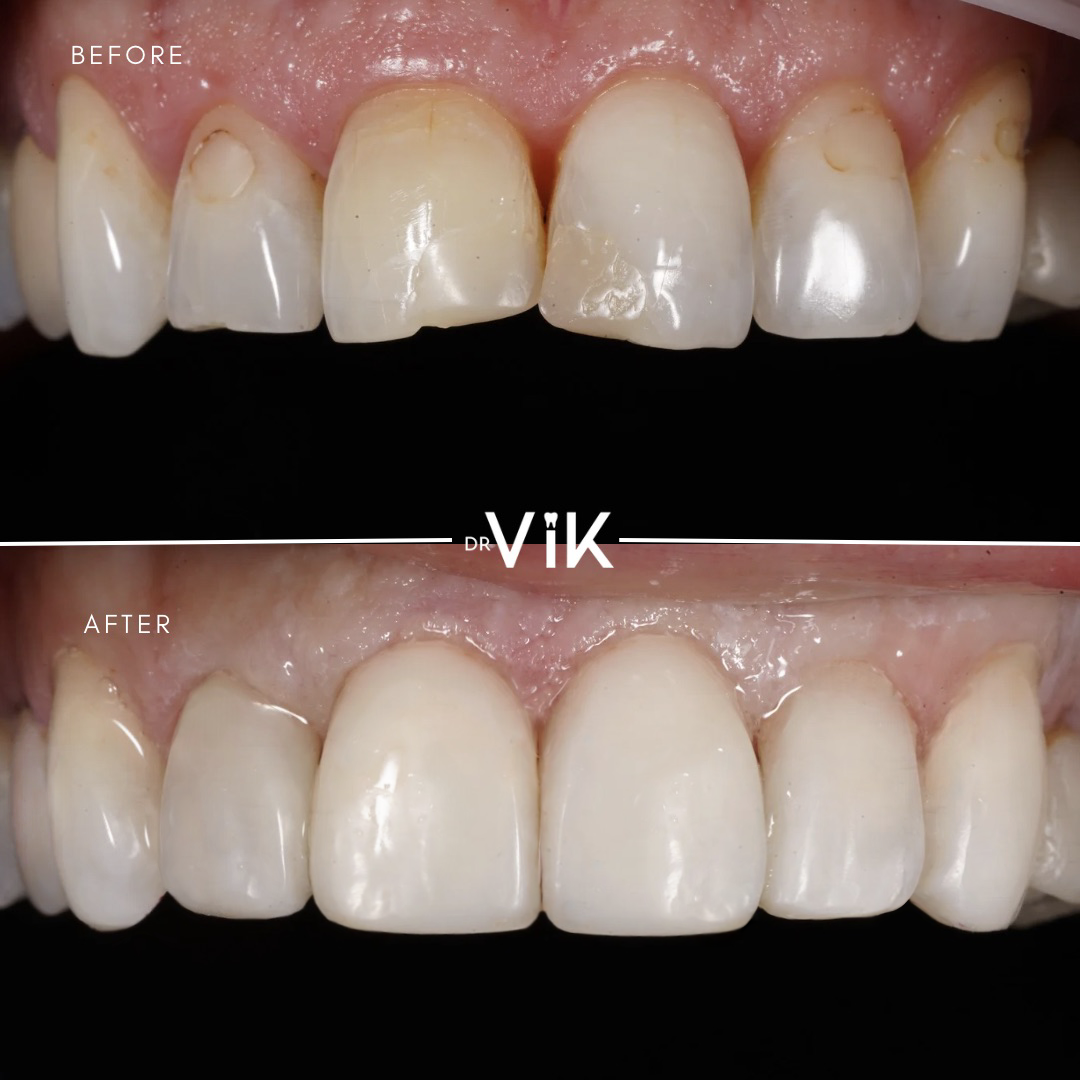
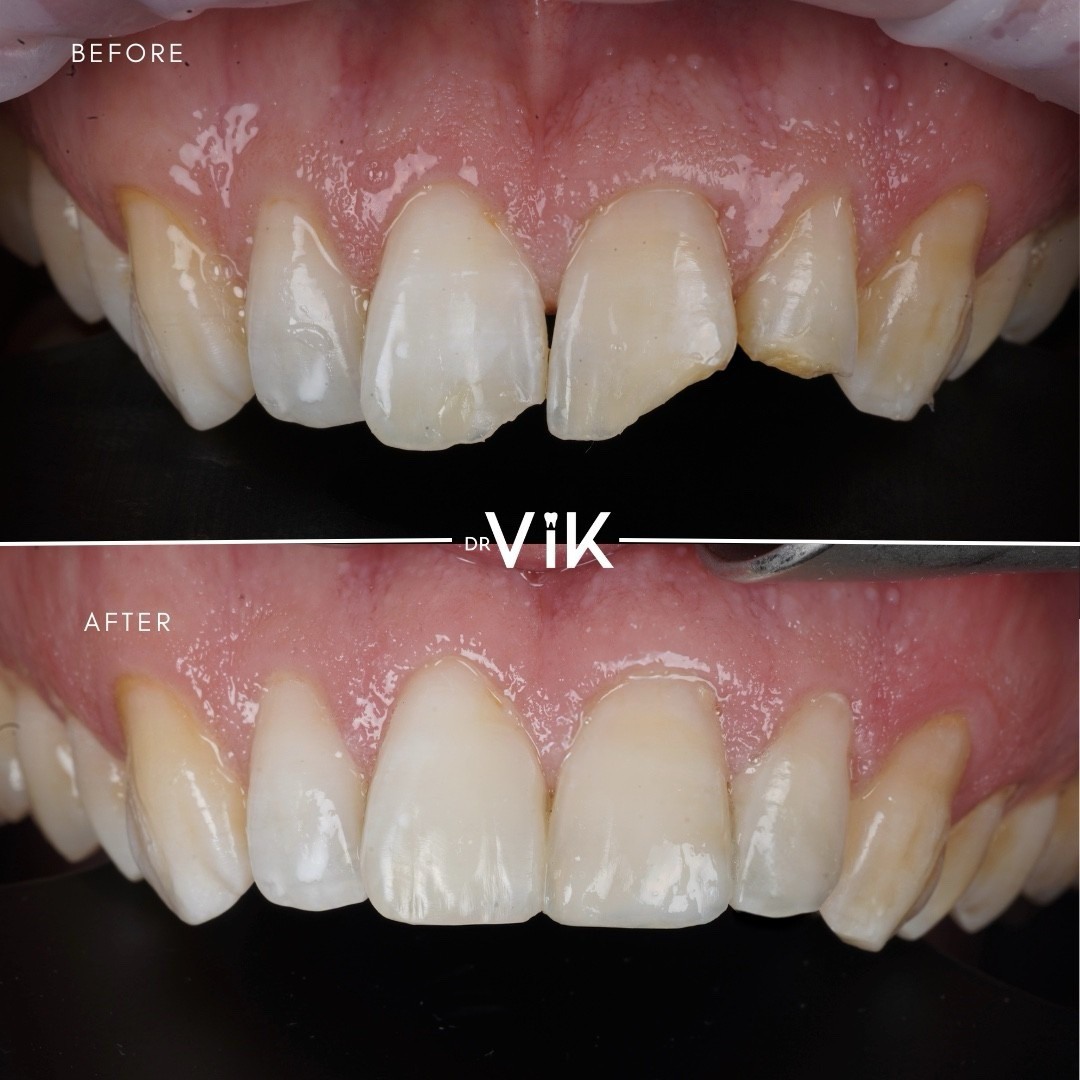
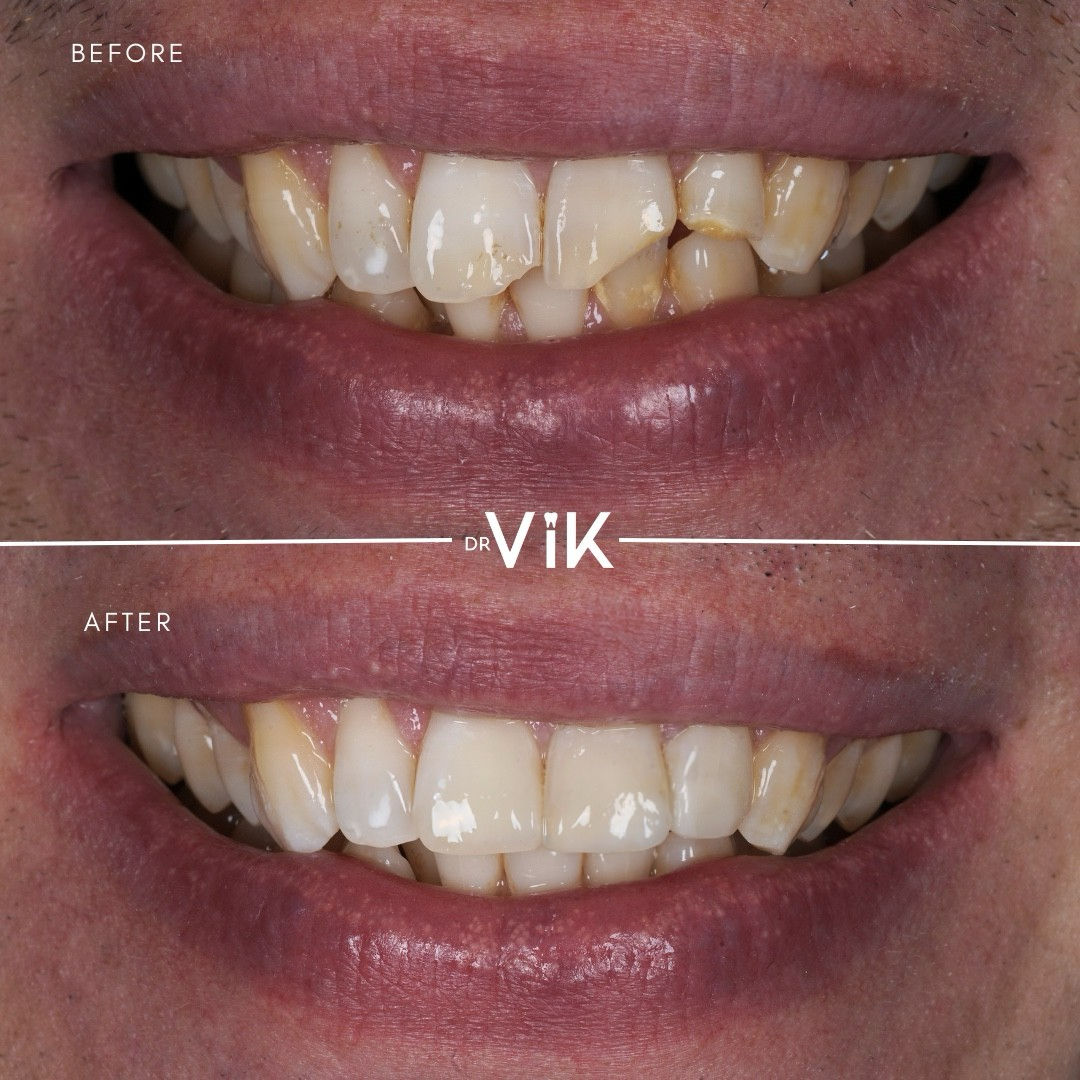
Useful when front teeth are chipped, uneven or worn and the smile needs cleaner, softer finishing.
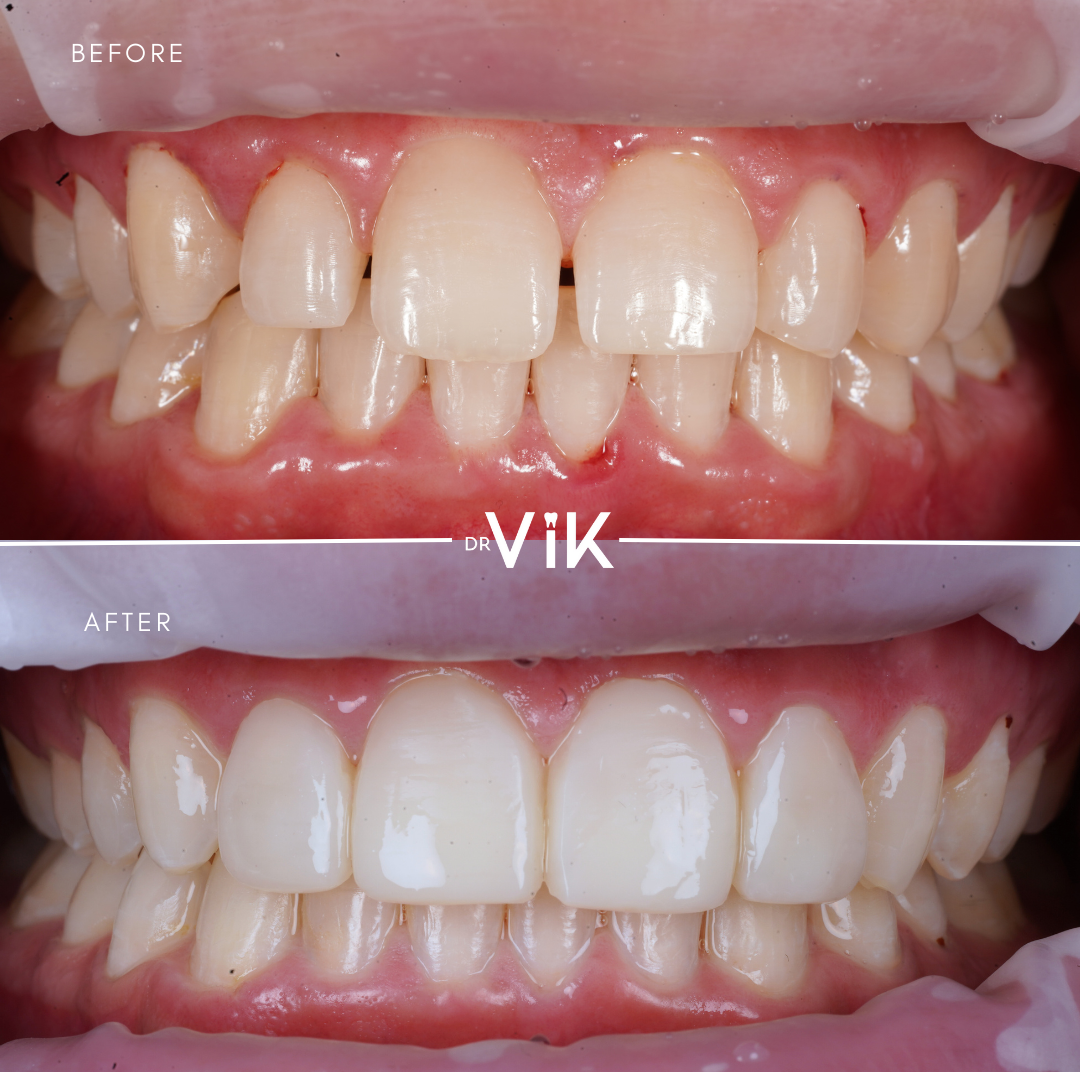
Can improve tooth proportions, close small spaces and create a more balanced smile line without porcelain.
Helpful when the aim is a natural upgrade with little to no tooth preparation and a lighter-touch approach.
The Process
Composite bonding works best when every stage is deliberate, from the starting point and isolation through to shaping, polishing and final surface detail. This is the kind of workflow that helps the result look refined rather than flat.
The teeth are assessed as they are before treatment starts, so the plan is based on real proportions, edge position and what actually needs changing.
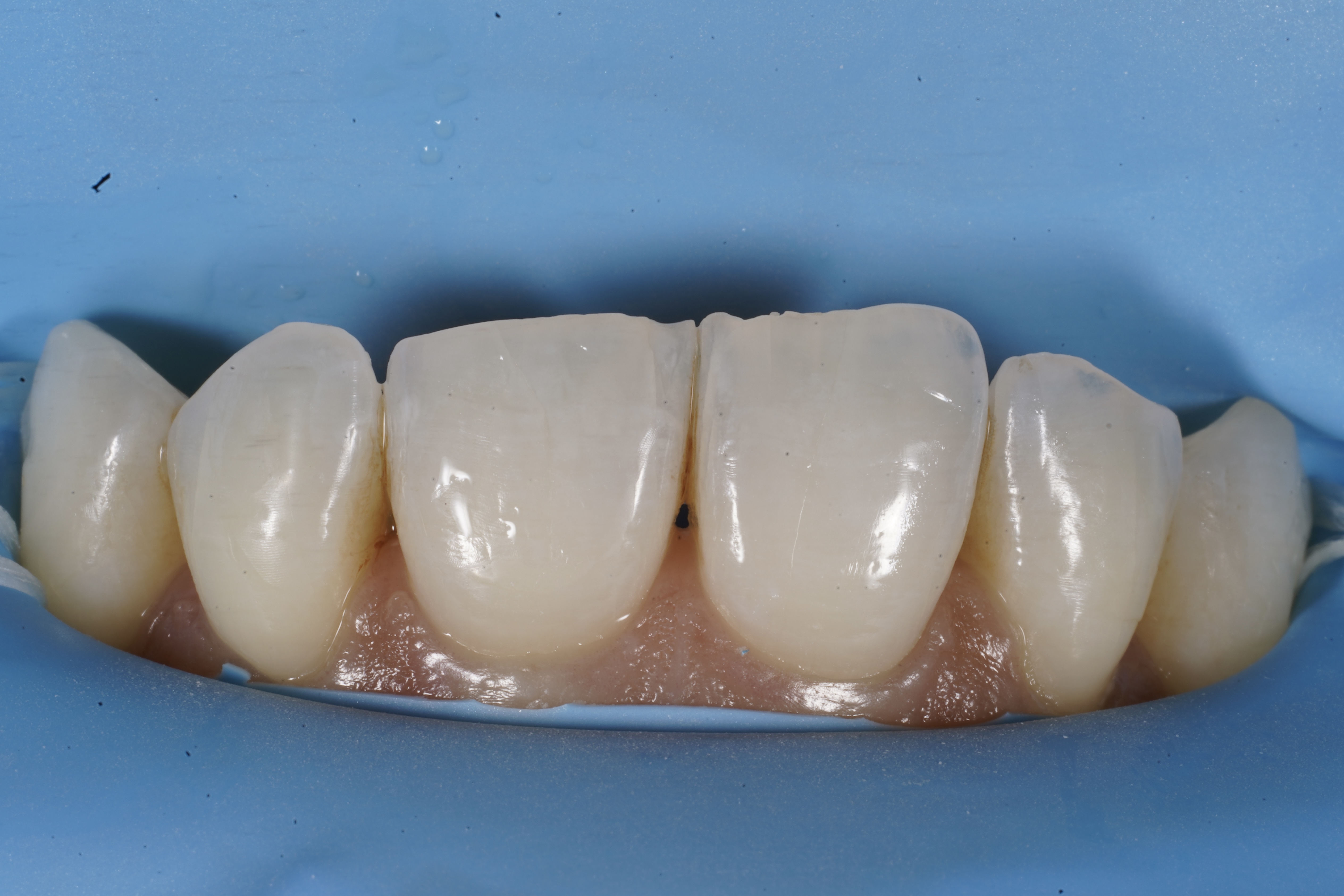
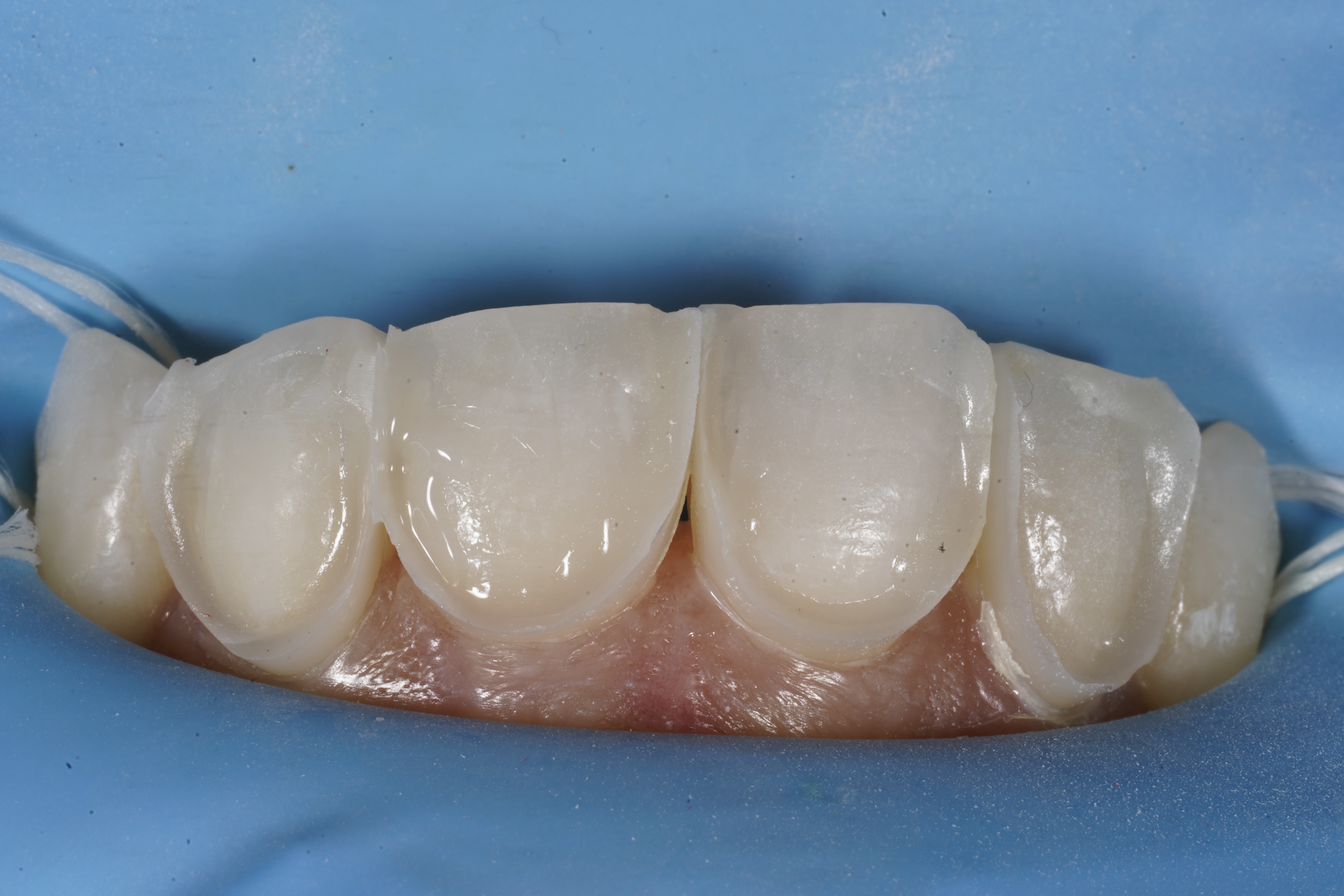
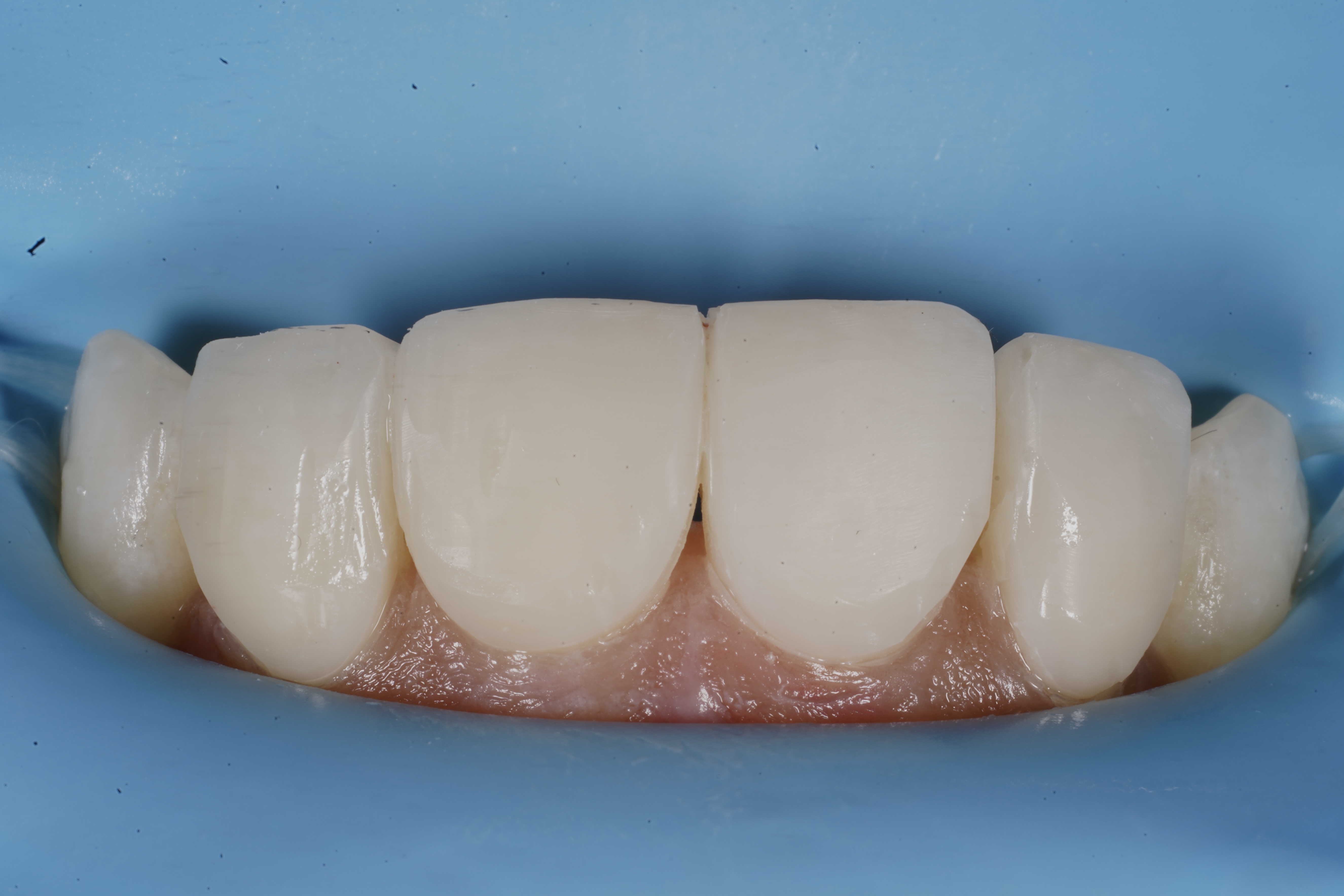
Keeping the area dry and controlled helps the bonding behave properly and creates a cleaner, more predictable working environment.
A frame helps guide even shapes and matching sizes, so the teeth build out in a balanced way rather than being freehanded without structure.
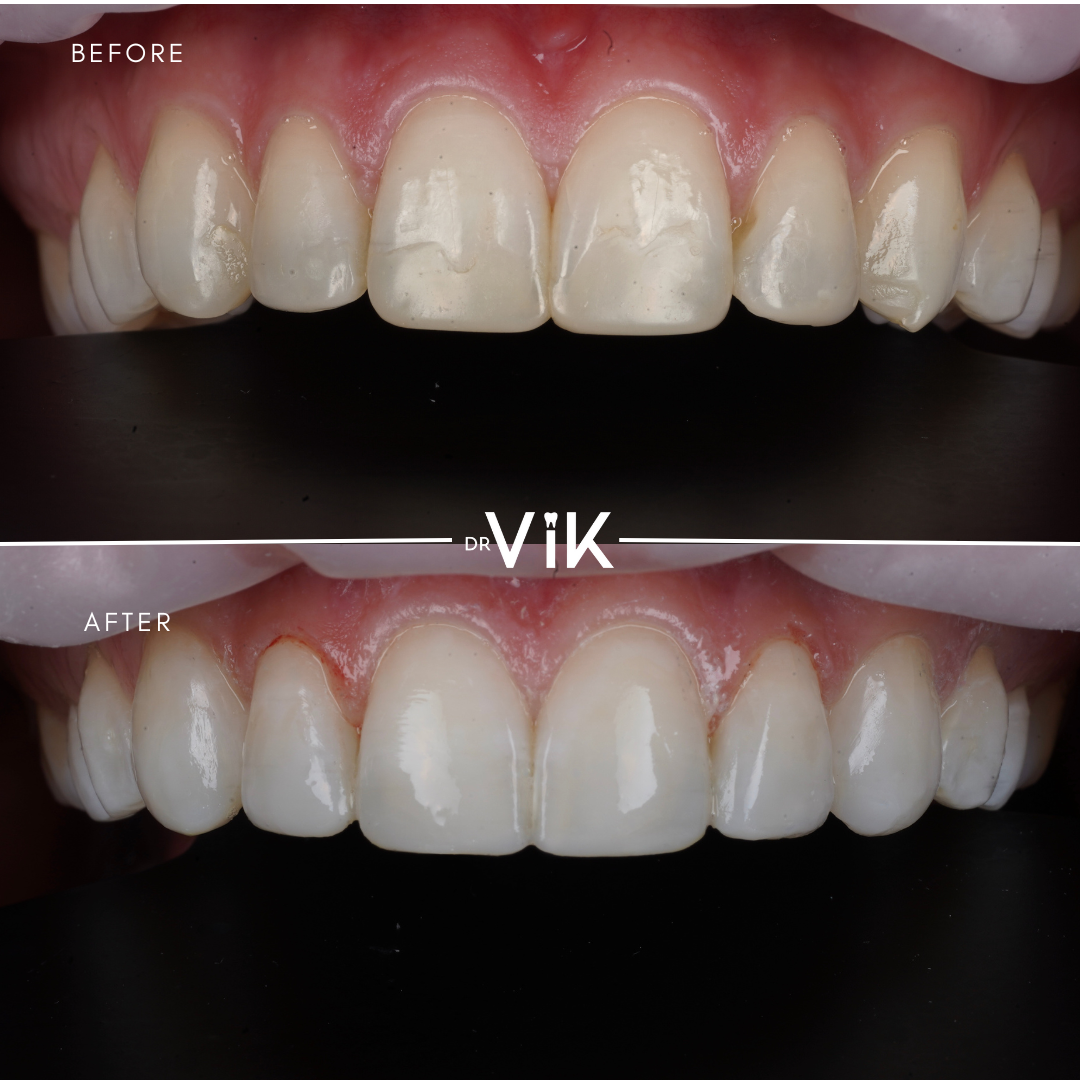
Once the layers are in place, the bonding is refined and polished so the contours start to look clean, light-catching and natural.
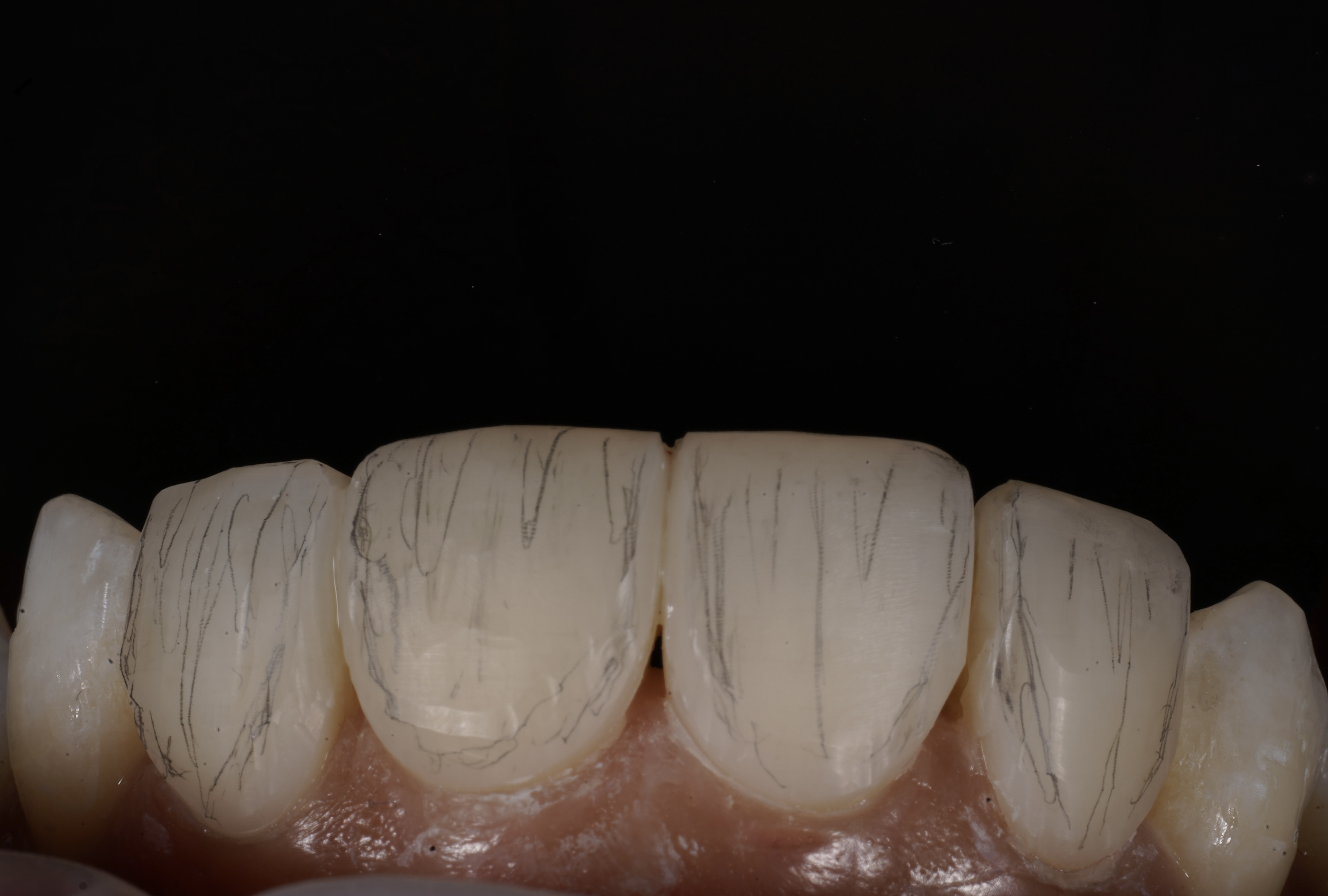
Pencil marks help map line angles, reflections and texture, which is what gives the result realism instead of a flat or overly artificial finish.
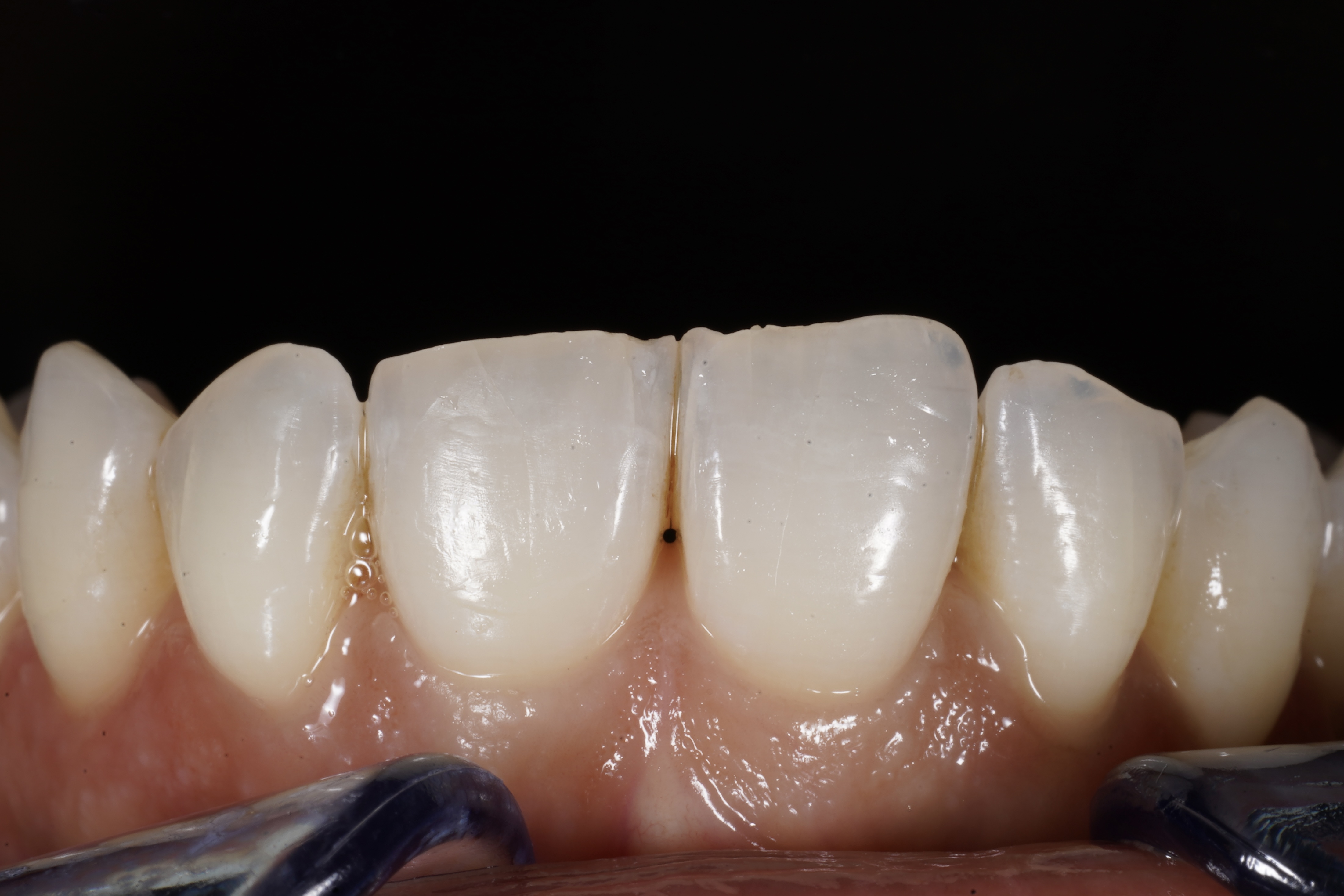
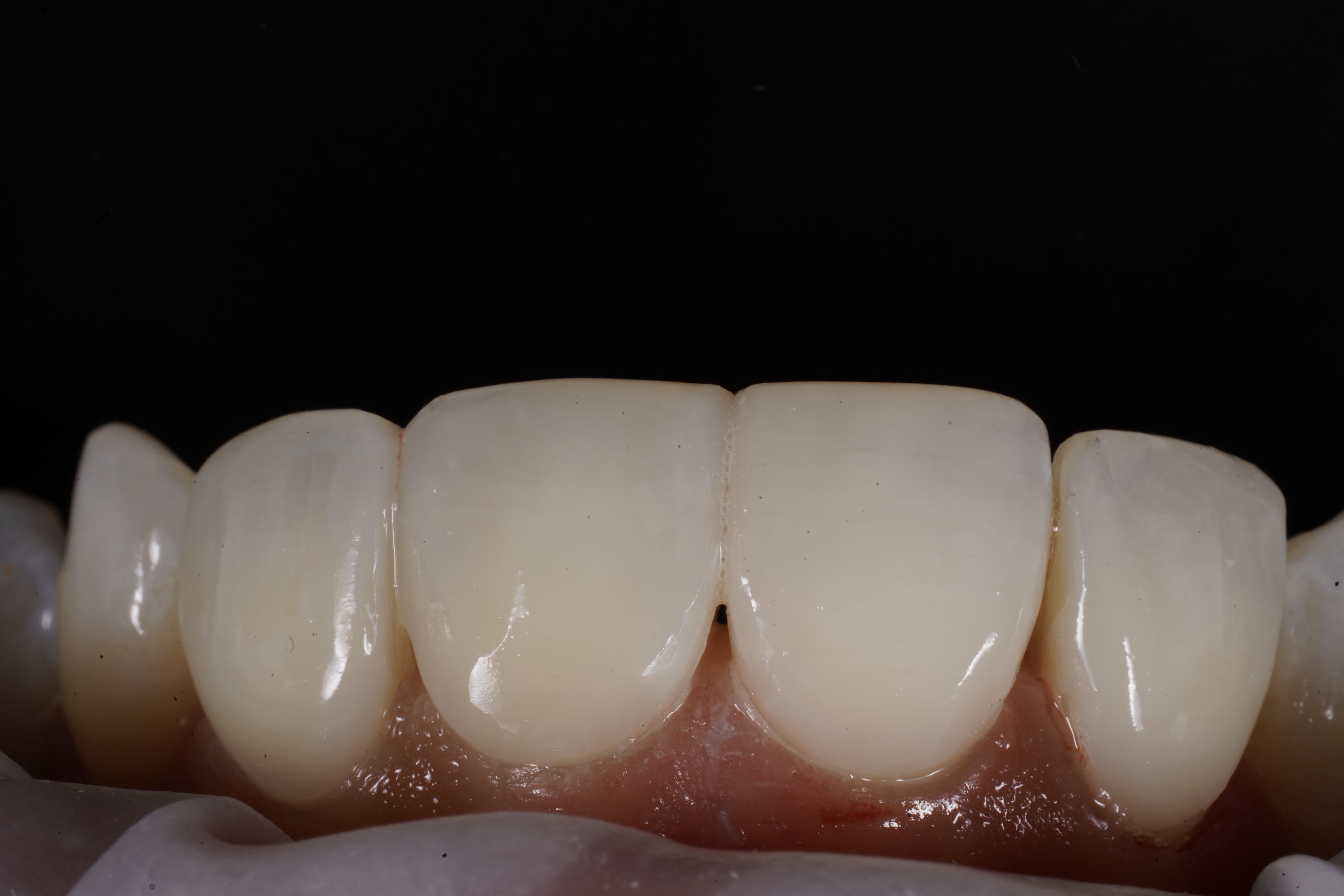
The finished bonding is polished and glossy, with texture and layering still visible so the smile looks alive, detailed and properly finished.
Suitability
If the main concerns are chips, edge wear, minor spaces or subtle shape refinements, bonding may be worth considering after a proper assessment.
In some cases, Invisalign, whitening or porcelain may offer a better route. Sometimes the best bonding case is the one that starts by correcting alignment or planning a more durable material first.
Common Questions
In many cases, no drilling or only minimal preparation is needed. That is one of the main reasons bonding is often chosen as a conservative cosmetic option.
Bonding can last well when it is carefully maintained, but it is not a lifetime treatment. Longevity depends on bite forces, habits, maintenance and regular review.
Not automatically. Bonding and porcelain do different jobs well. Bonding can be more conservative for smaller refinements, while porcelain may offer more control for larger redesigns.
Composite can pick up staining over time more readily than porcelain, which is why polishing, hygiene and maintenance reviews matter if you want it to keep looking fresh.
Start with a consultation. We can look at whether bonding is the best route, or whether Invisalign, whitening or porcelain should come first to get the most natural result.