Overview
A smile makeover is a treatment plan, not a single label.
In practical terms, a smile makeover means combining treatments to solve several concerns at once: alignment, colour, wear, shape, spacing, missing teeth or overall smile balance. The plan can be subtle or more complete, but it should always be designed around what suits the patient rather than what looks dramatic on paper.
What it may include
Invisalign to create the right position and spacing
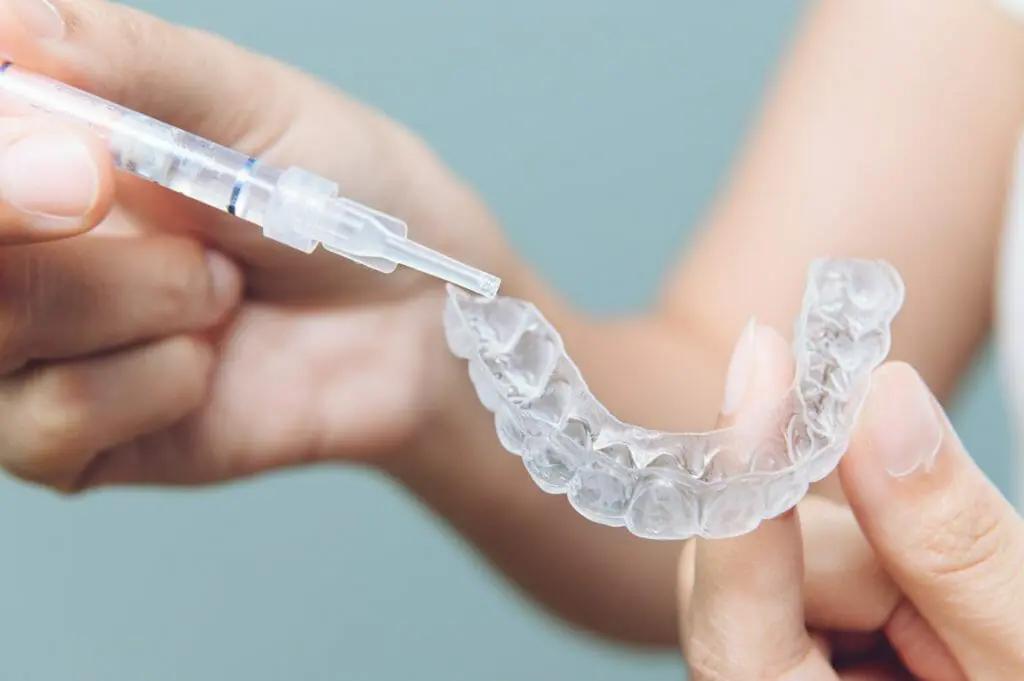
Professional whitening to lift the overall shade before final cosmetic finishing
Composite bonding or porcelain to refine shape and edge detail
Implants or replacement dentistry where teeth are missing
What makes it work well
A clear plan before treatment starts
Choosing the right combination, not the biggest one
Protecting natural tooth structure wherever possible
A finish that still looks believable and individual
Treatment Journey
Different treatments. One coordinated outcome.
A premium smile makeover often combines alignment, whitening, bonding and porcelain in the right order. Hover any image to explore the part it can play in the wider plan.
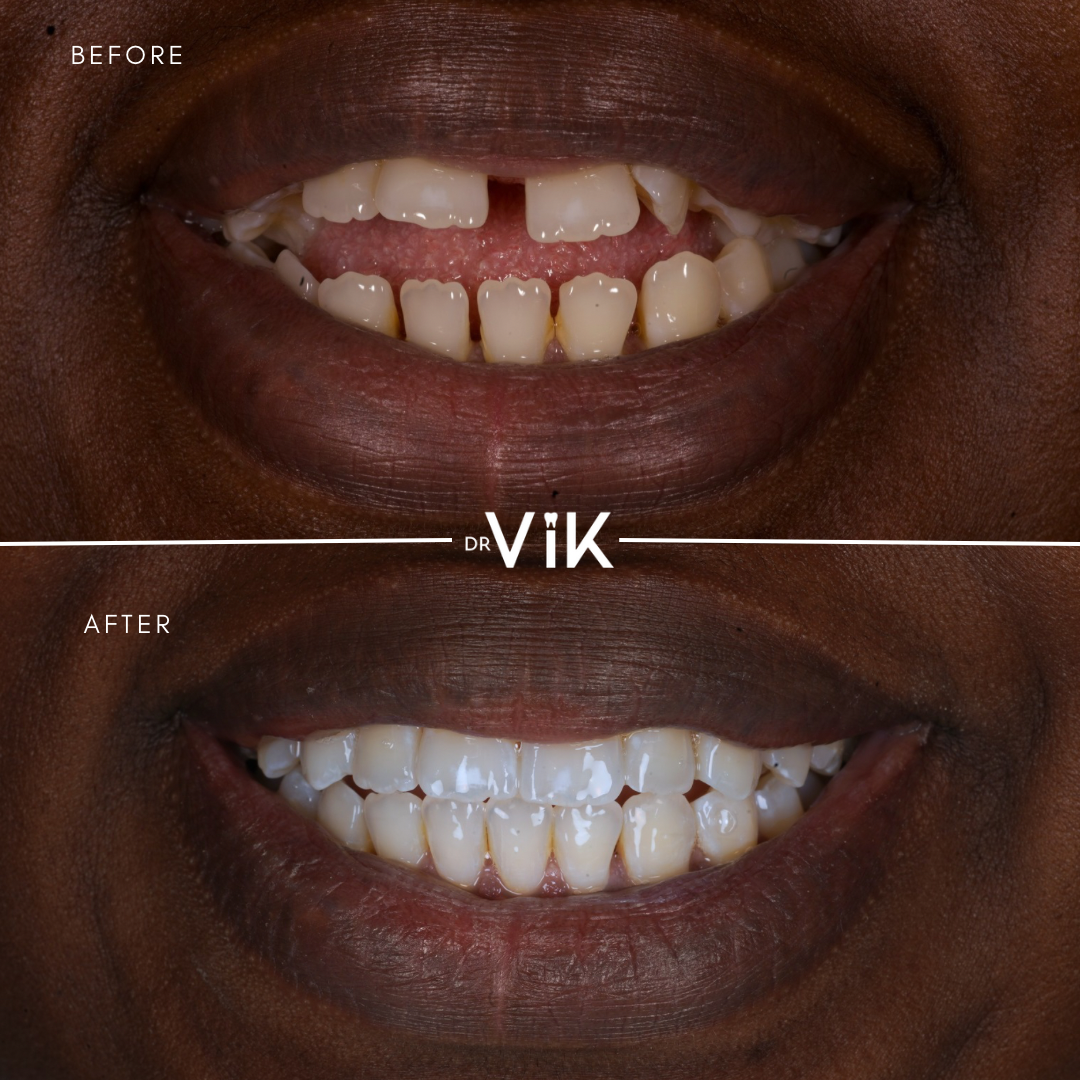
Learn more
InvisalignCreate the right position and spacing first.
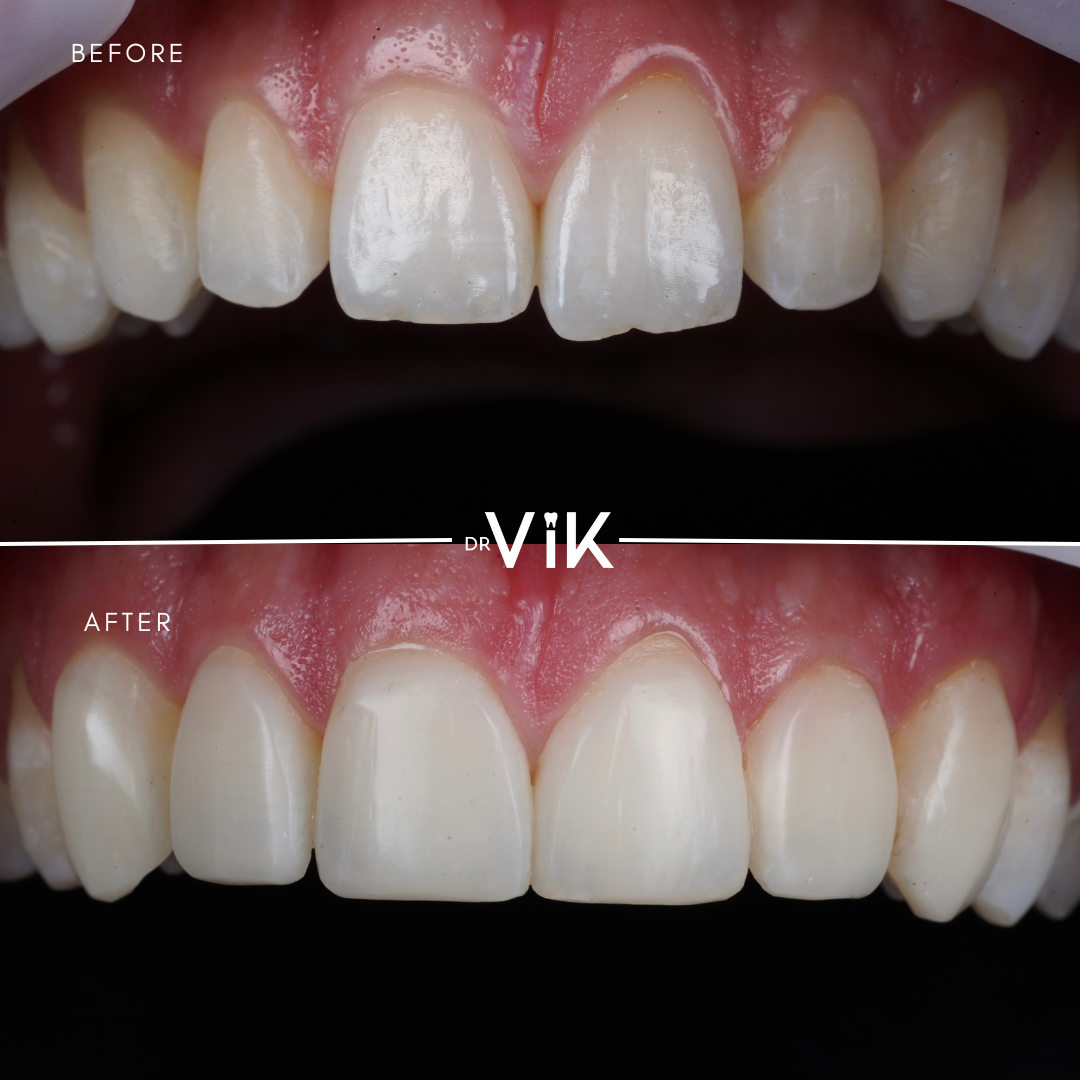
Learn more
BondingRefine edge detail and smile balance conservatively.
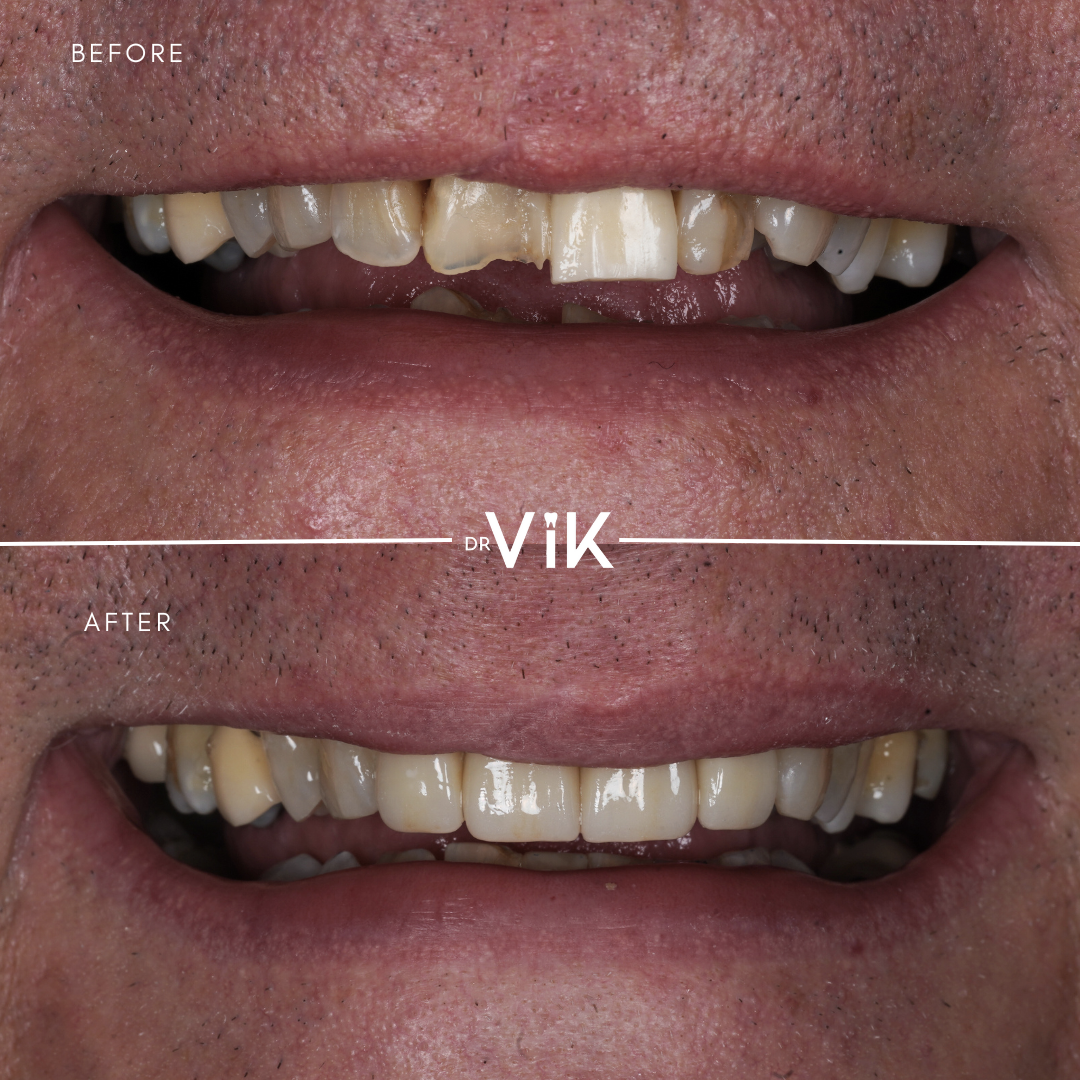
Learn more
VeneersComprehensive colour and shape changes with more control.
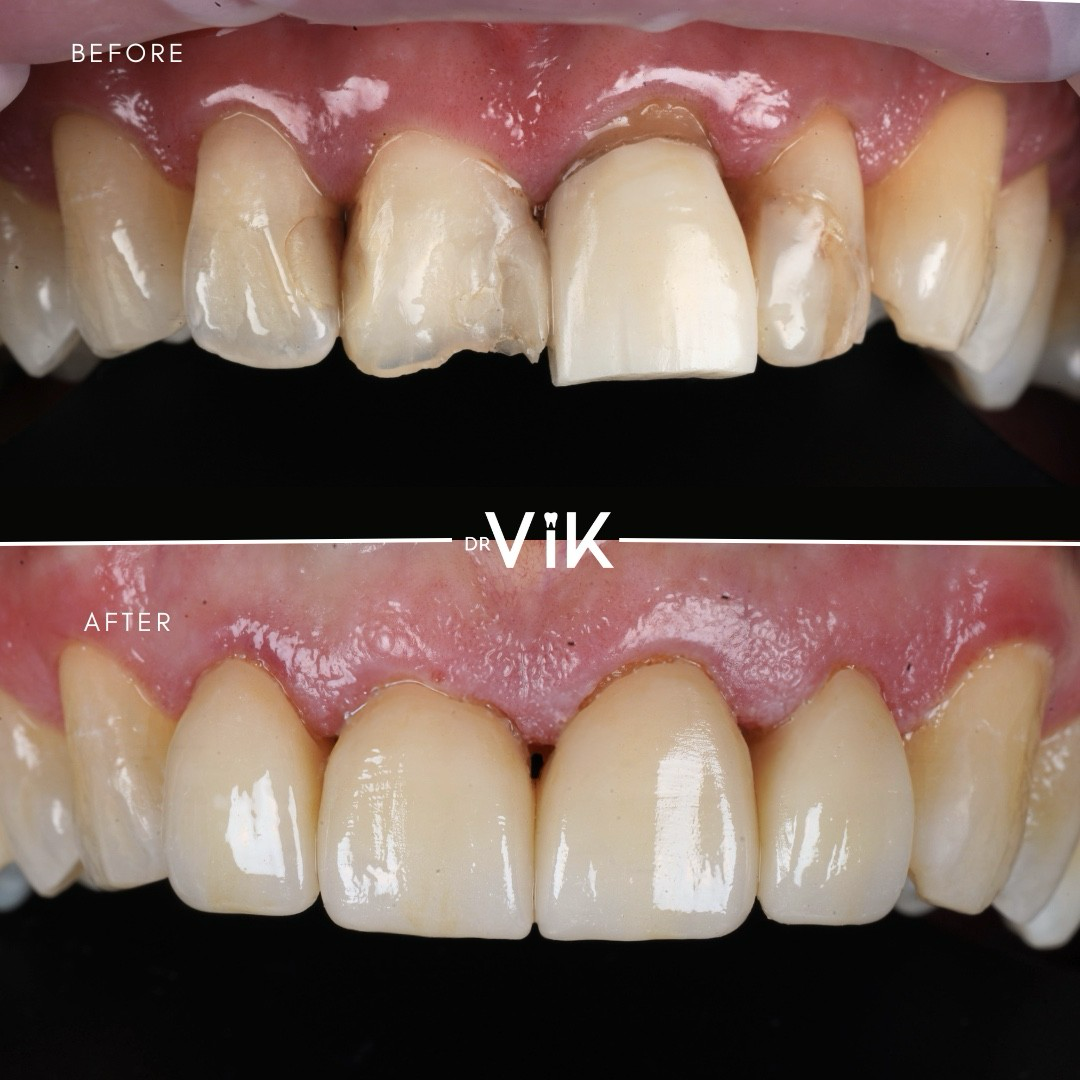
Learn more
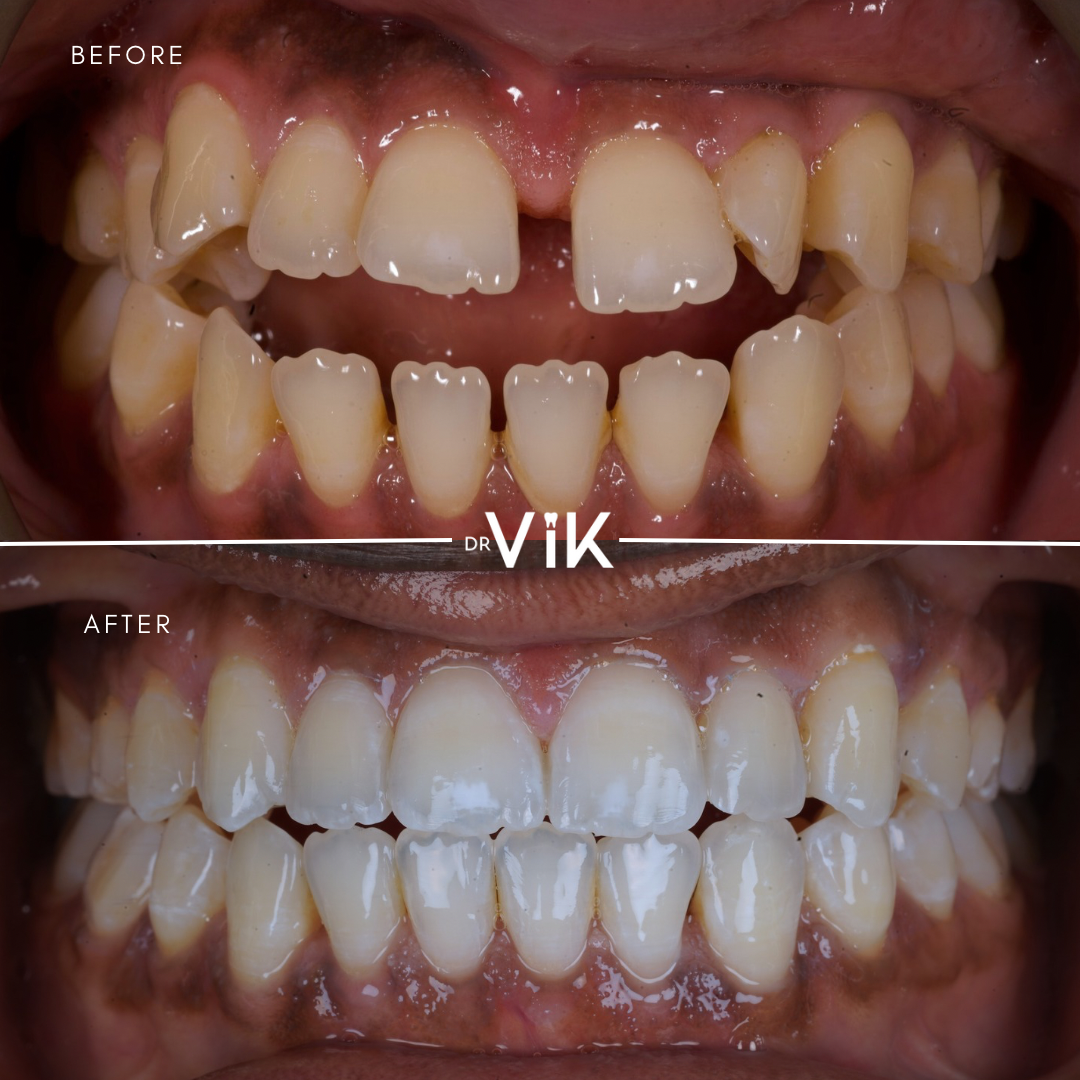
PorcelainFor precise shape and shade work across several teeth.
Learn more
WhiteningBrighten first so the final finishing is more precise.
Learn more
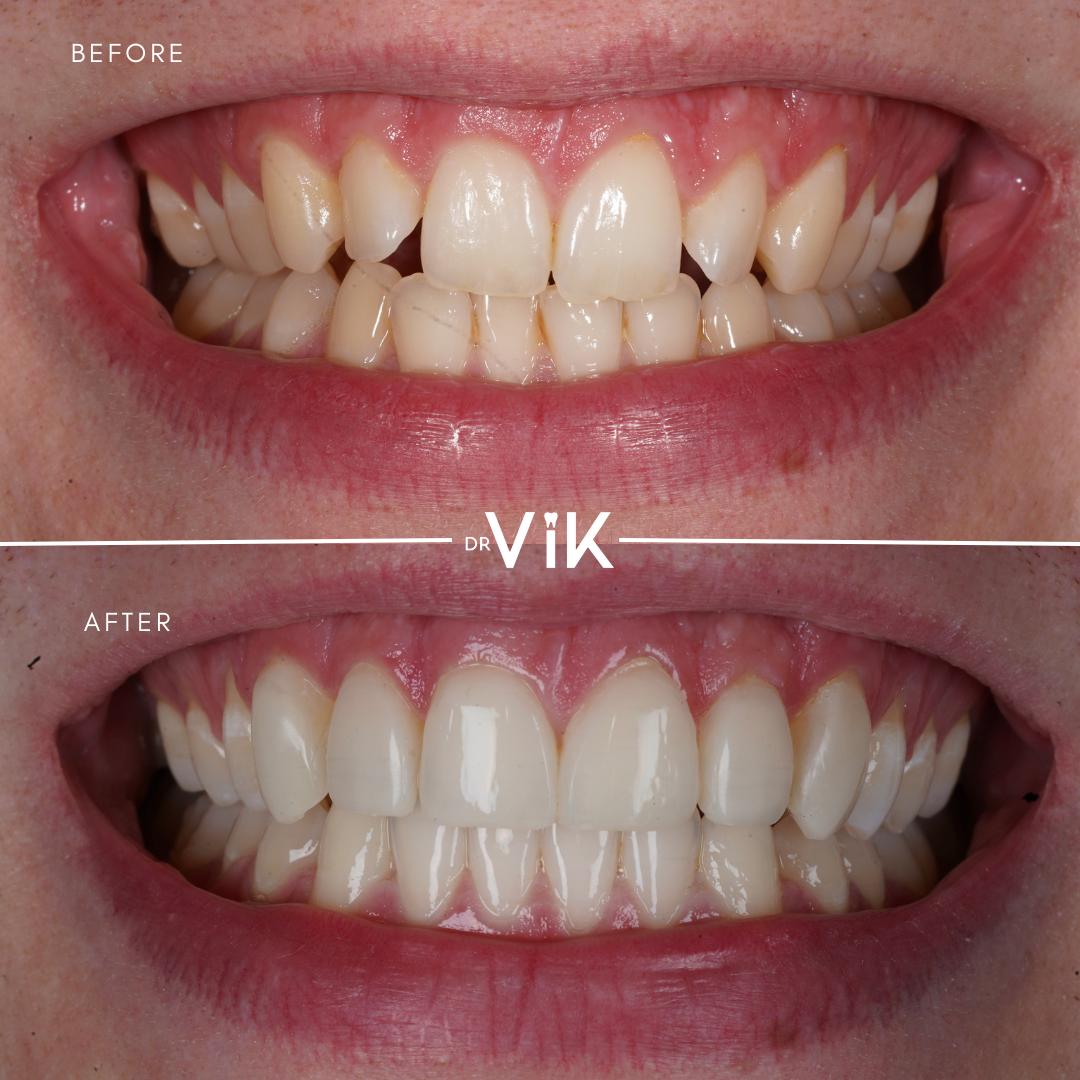
InvisalignBetter alignment means lighter finishing later.
Learn more
Finishing DetailSmall shape changes can transform the final feel.
Learn more
InvisalignCreate the right position and spacing first.
Learn more
BondingRefine edge detail and smile balance conservatively.
Learn more
VeneersComprehensive colour and shape changes with more control.
Learn more
PorcelainFor precise shape and shade work across several teeth.
Learn more
WhiteningBrighten first so the final finishing is more precise.
Learn more
InvisalignBetter alignment means lighter finishing later.
Learn more
Finishing DetailSmall shape changes can transform the final feel.
Learn more
Smile DesignPorcelain can complete a more comprehensive redesign.
Learn more
Conservative CosmeticsUseful when you want change without moving straight to porcelain.

Learn more
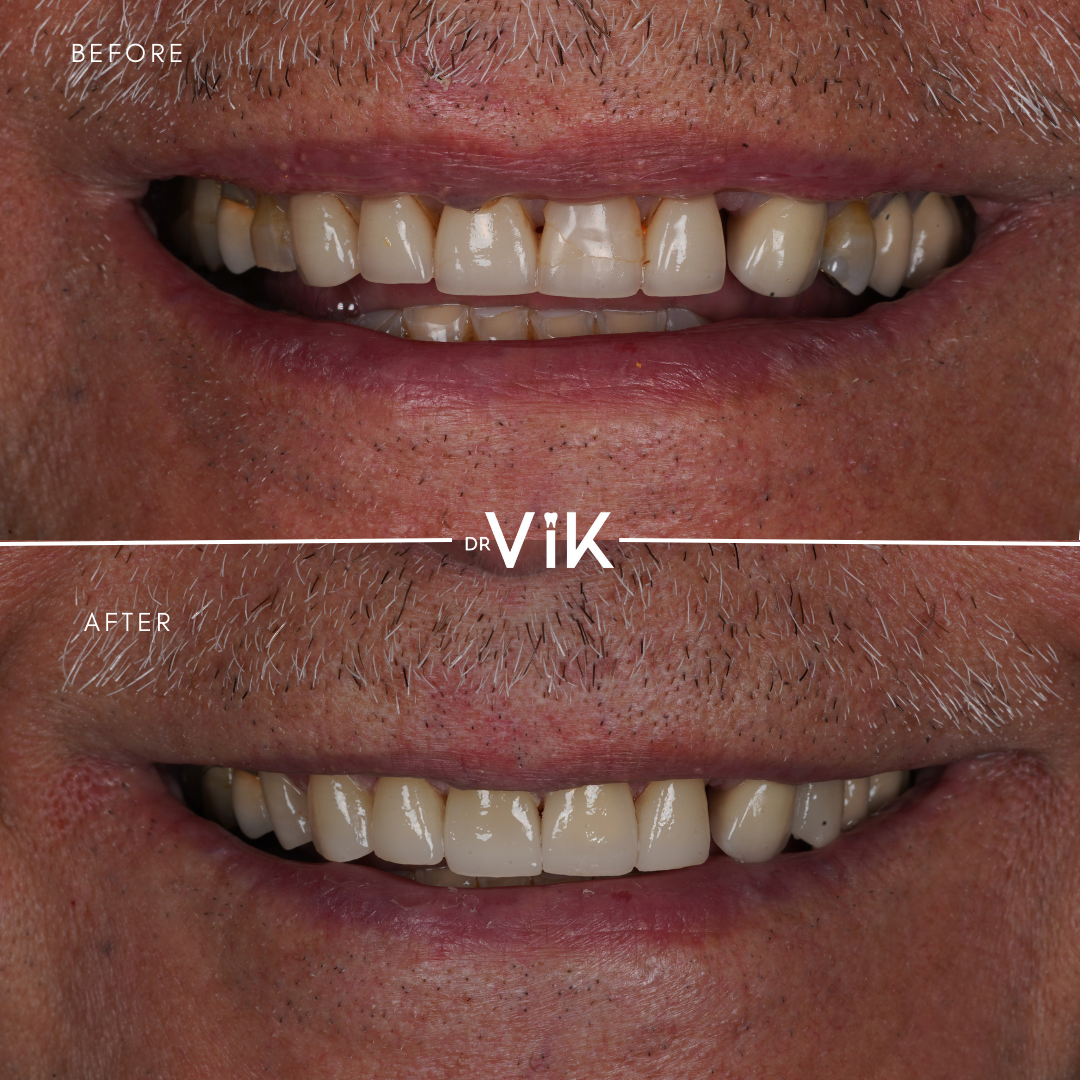
Complete PlanSome cases need several treatment types working together.
Learn more
Porcelain FinishHigh control where colour and proportion need lifting together.
Learn more
Brightness StageOften the key middle stage in a premium makeover plan.
Learn more
Smile DesignPorcelain can complete a more comprehensive redesign.
Learn more
Conservative CosmeticsUseful when you want change without moving straight to porcelain.
Learn more
Complete PlanSome cases need several treatment types working together.
Learn more
Porcelain FinishHigh control where colour and proportion need lifting together.
Learn more
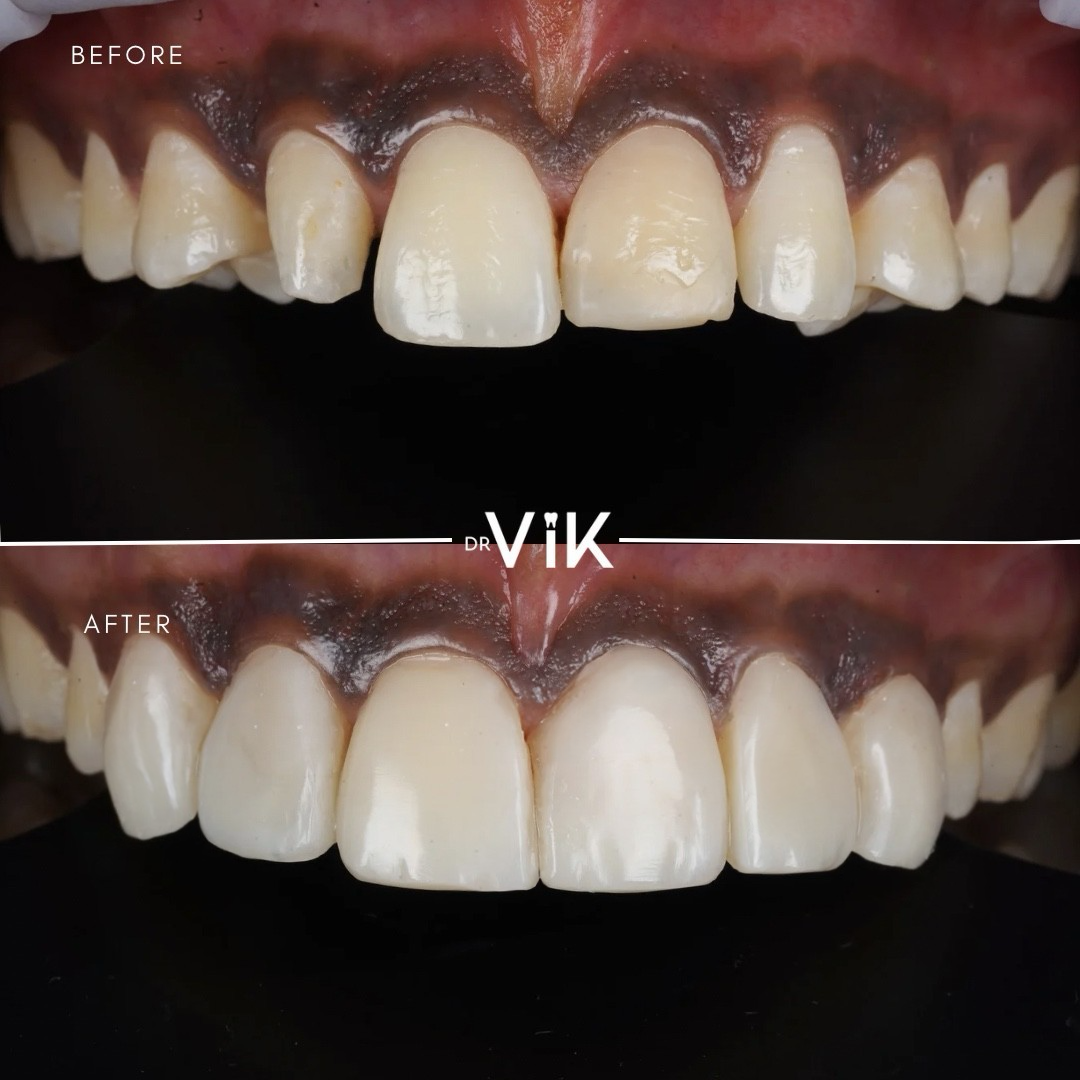
Brightness StageOften the key middle stage in a premium makeover plan.
Learn more
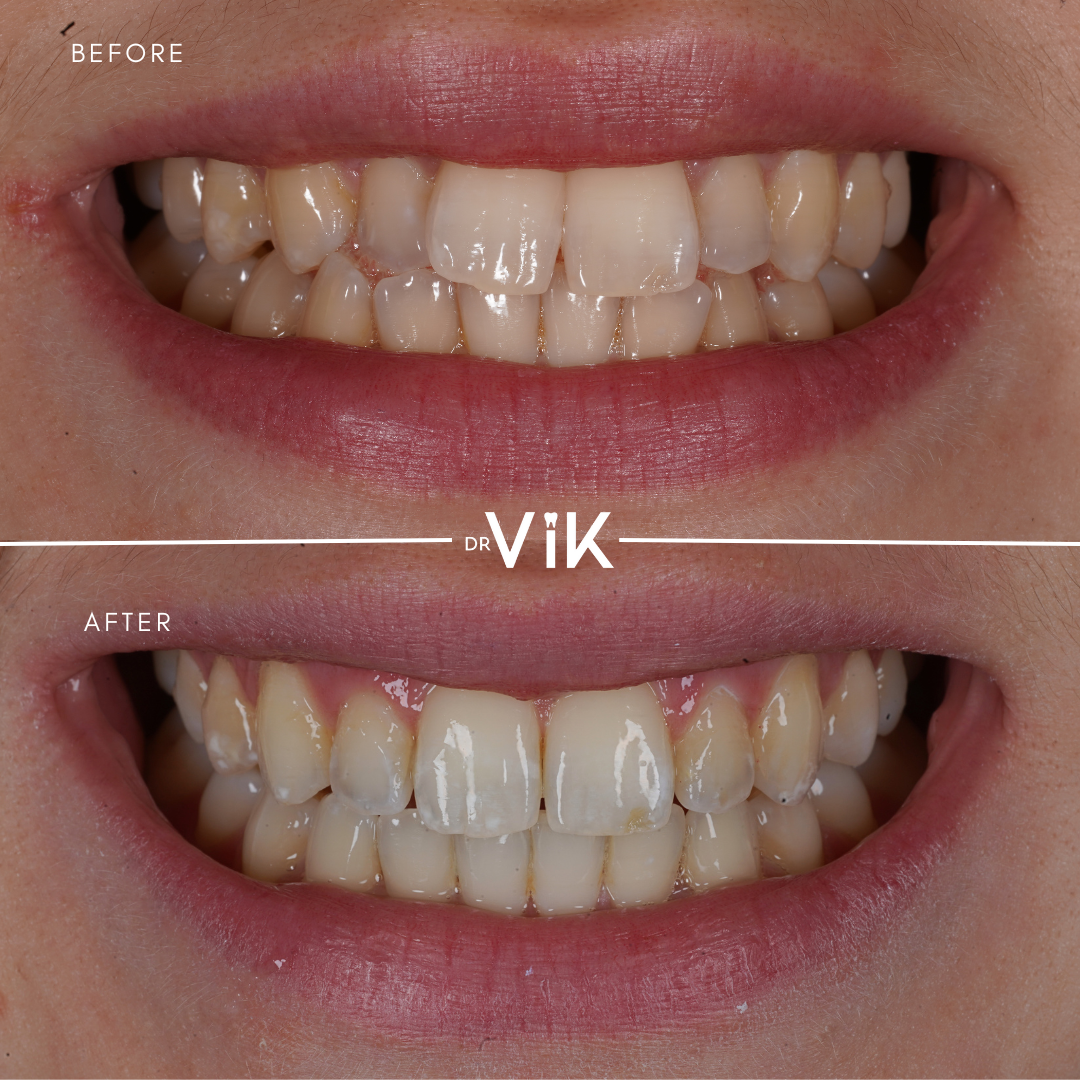
Shape RefinementBonding can sharpen the final detail beautifully.
Learn more
Spacing & PositionBetter alignment often makes the final cosmetic work lighter.
Learn more
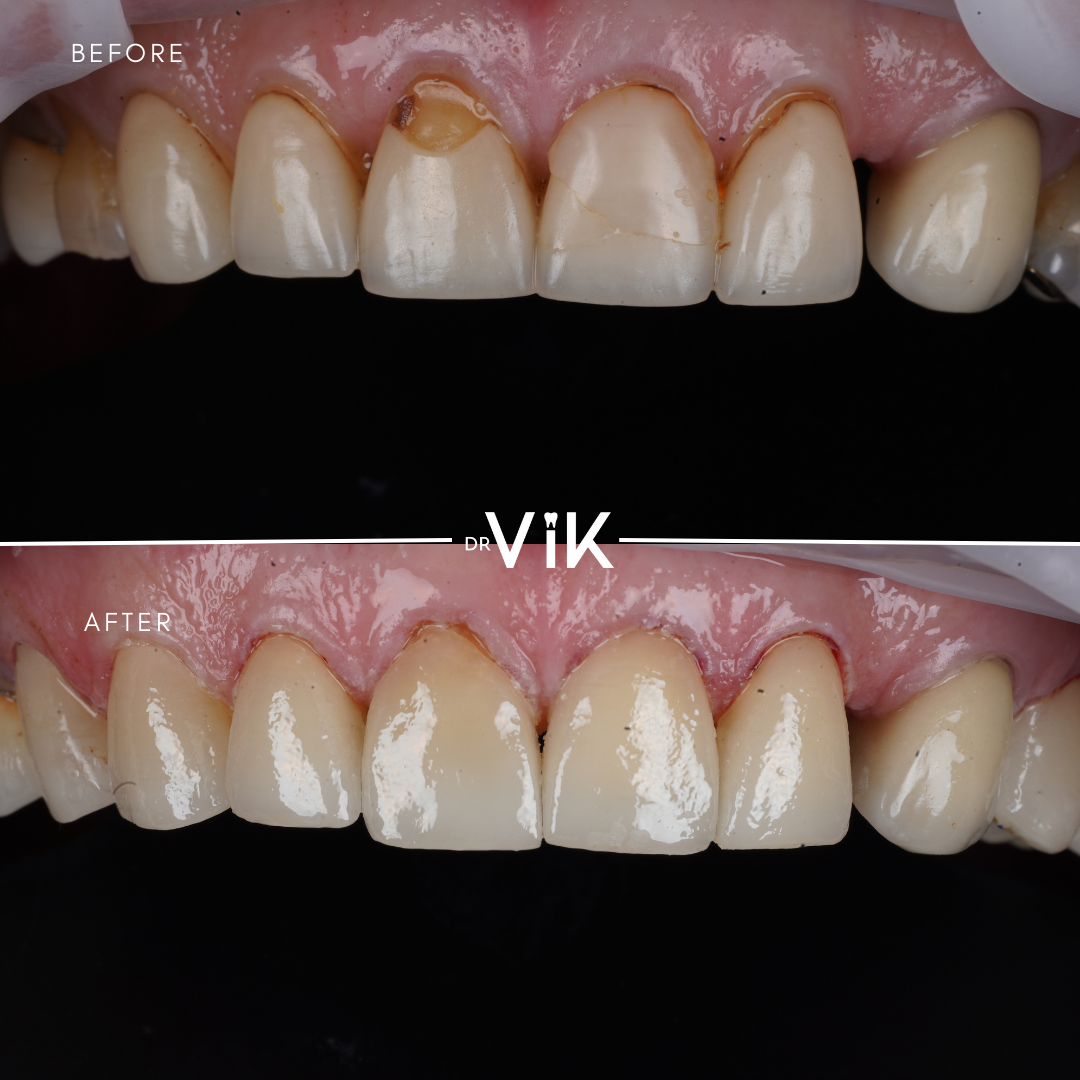
Joined-Up PlanningThe premium part is the sequencing, not just the treatments themselves.
Learn more
Porcelain ControlIdeal when a larger redesign needs greater precision.
Learn more
WhiteningA key part of premium makeover planning, not an afterthought.
Learn more
Shape RefinementBonding can sharpen the final detail beautifully.
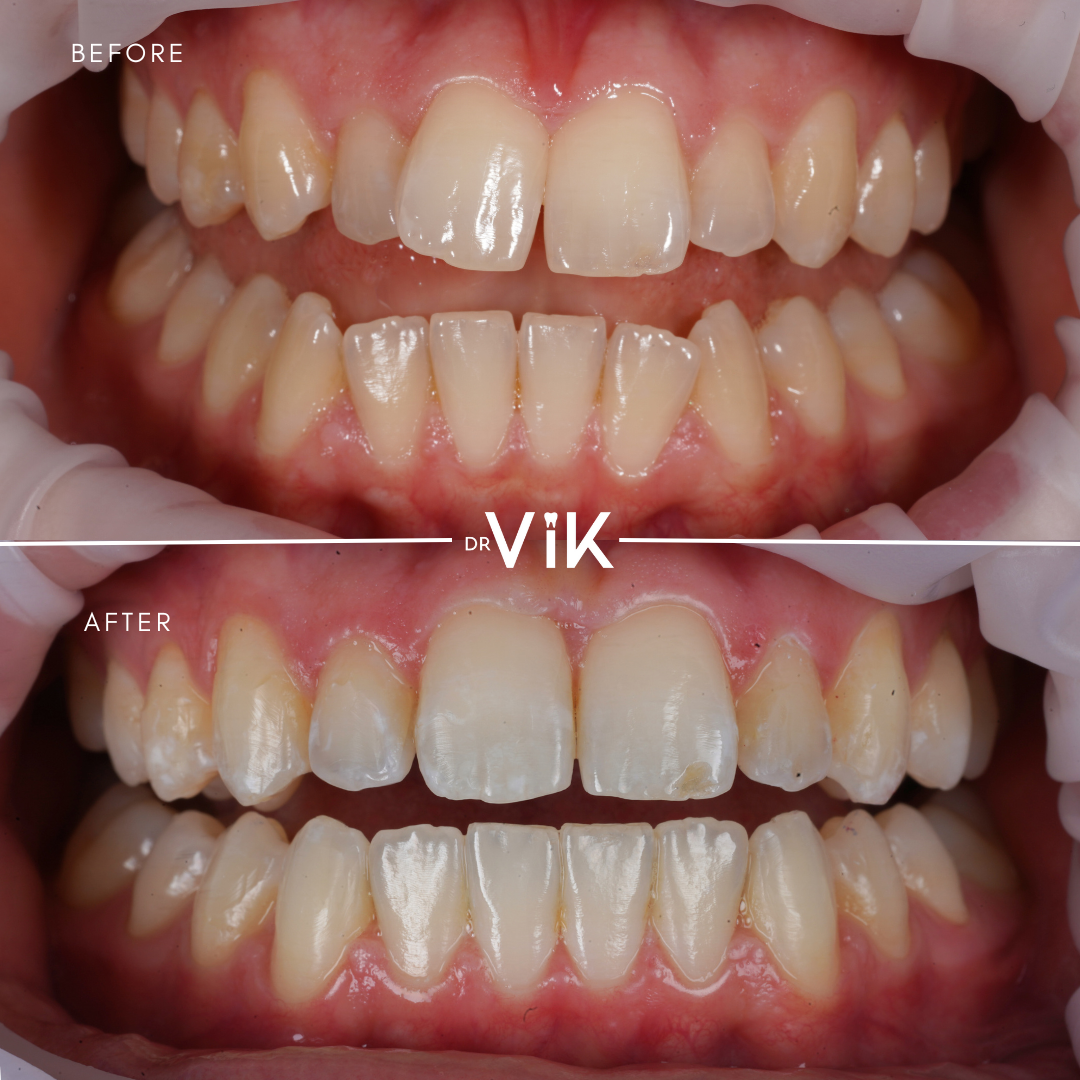
Learn more
Spacing & PositionBetter alignment often makes the final cosmetic work lighter.
Learn more
Joined-Up PlanningThe premium part is the sequencing, not just the treatments themselves.
Learn more
Porcelain ControlIdeal when a larger redesign needs greater precision.
Learn more
WhiteningA key part of premium makeover planning, not an afterthought.